
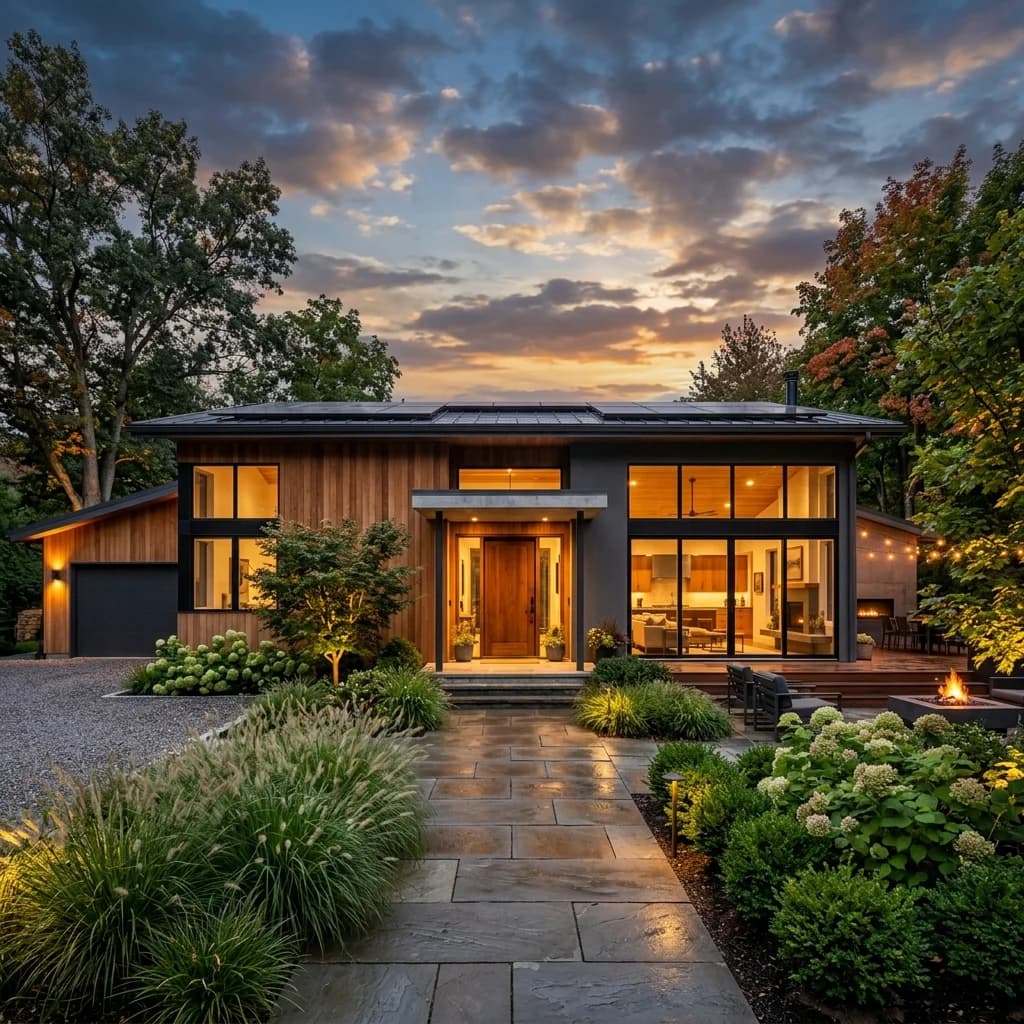
2000 Sq Ft Home Plans: Balancing Affordability, Layout, and Construction
Thinking about building a 2000 sq ft home? Learn how to choose the right floor plans, compare single-story ranch vs. two-story layouts, estimate construction costs, and optimize your design.
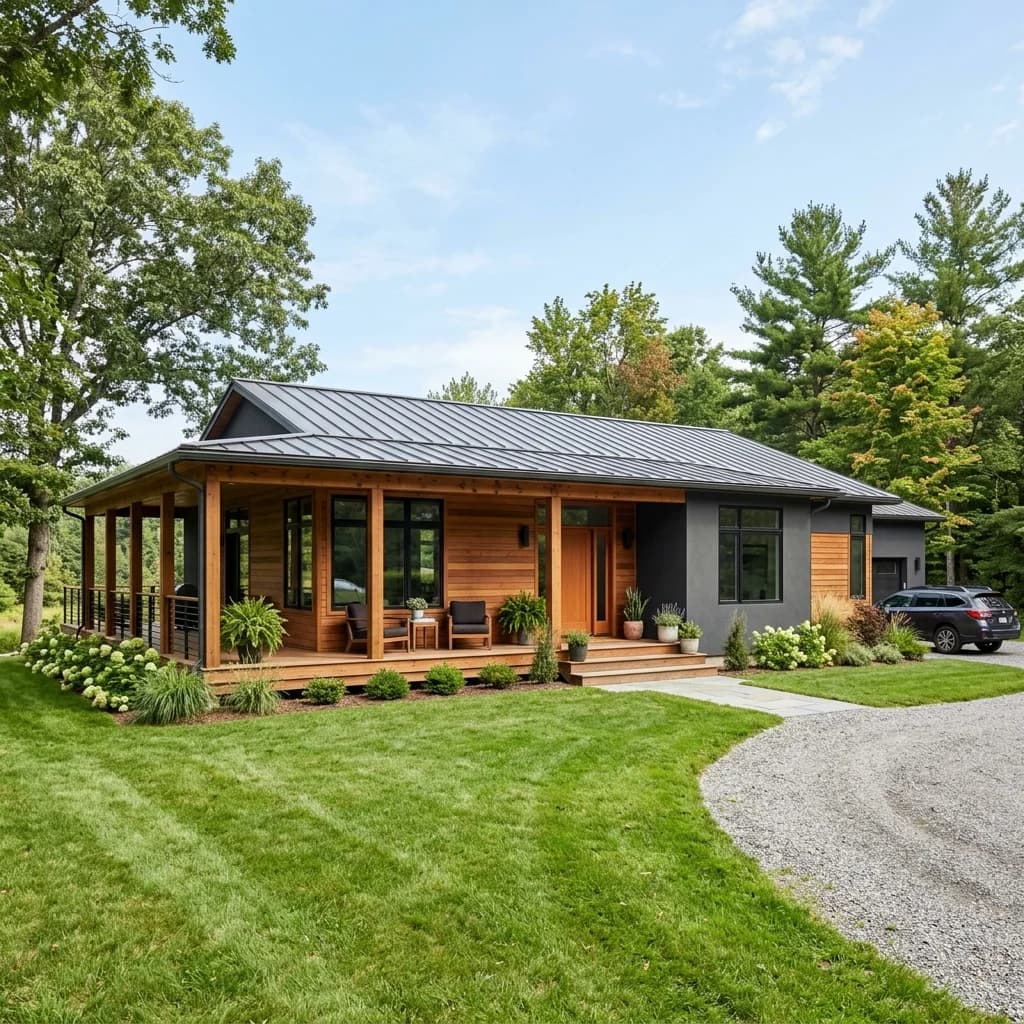
Building a new home is one of the most exciting milestones in a person's life. As you begin browsing through architectural layouts, you will quickly notice that 2000 sq ft homes are incredibly popular. This is not by accident. A 2,000-square-foot home represents the ultimate "sweet spot" in residential building. It is large enough to fit a growing family comfortably with three to four bedrooms and multiple bathrooms, yet it is small enough to keep construction costs, energy bills, and maintenance chores highly manageable.
However, successfully bringing your 2000 sq ft home plans to life requires careful coordination. You must balance the upfront affordability of the build, the flow and efficiency of the floor plan, and the physical constraints of structural construction. In this guide, we will break down everything you need to know to design and estimate your ideal 2,000-square-foot home.
1. Single-Story Ranch vs. Two-Story Layouts
One of the first structural decisions you must make is whether you want to build a single-story ranch or a multistory house. This decision impacts not only how you live in the home but also your total construction budget.
For many families, 2000 square foot single story house plans are the absolute dream. Commonly referred to as 2000 square foot ranch style house plans, these homes place all bedrooms, bathrooms, and living spaces on one level. They eliminate the need for staircases, making them exceptionally safe for young children and aging family members. Furthermore, they are highly sought after for their vaulted ceilings and open layouts, which make the shared family spaces feel grand and connected.
However, a single-story ranch has a much larger footprint than a two-story home. A larger footprint means you need a larger foundation slab and a larger roof structure, both of which are major cost drivers in a build.
If you are working with a smaller lot or want to save money on structural materials, a two-story home is a great alternative. By stacking the square footage, you cut the foundation and roof area in half, allowing you to preserve yard space for a garden or pool.
| Layout Feature | Single-Story Ranch | Two-Story Traditional |
|---|---|---|
| Foundation Footprint | Large (Higher concrete cost) | Compact (Lower concrete cost) |
| Roof Area & Shingles | Double the area (Higher roof cost) | Half the area (Lower roof cost) |
| Staircase Space Usage | None (Saves ~100 sq ft of floor space) | Required (Eats into livable area) |
| Accessibility (Aging-in-place) | Excellent (No stairs to climb) | Fair (Master bedroom can be downstairs) |
| Noise Isolation | Moderate (Shared walls require zoning) | Excellent (Bedrooms separated upstairs) |
2. Space Optimization: Designing 2,000 Square Feet
The layout of your home is what determines how spacious it feels. Excellent 2000 square foot home floor plans utilize space efficiently and eliminate dead zones like long, dark hallways. In a house of this size, every square foot should have a purpose.
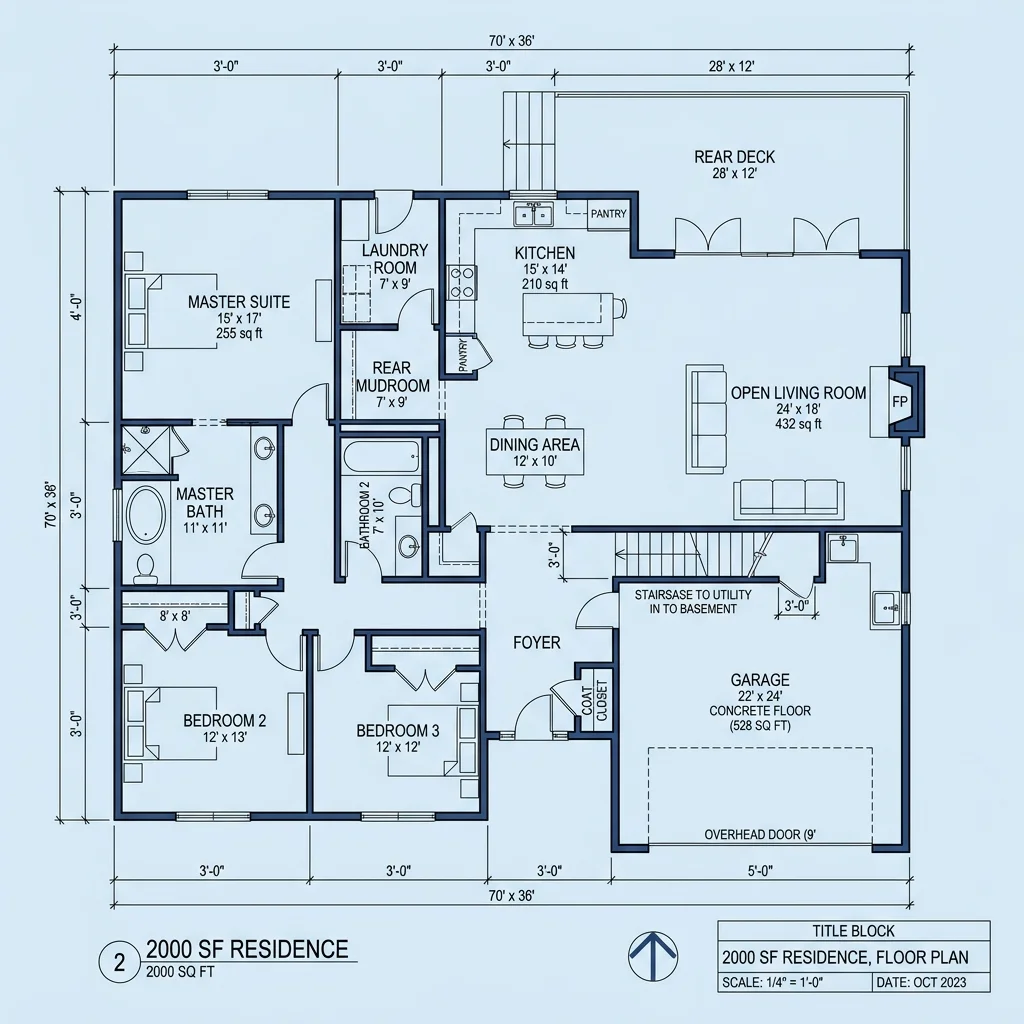
When reviewing floor plans, pay close attention to the following design strategies:
- Open-Concept Living: Combining the kitchen, dining area, and main family room into one large open space makes the home feel much larger than its actual dimensions. It also allows natural light to penetrate deeper into the interior.
- The Split-Bedroom Concept: This is a popular feature in single-story homes. It places the master bedroom suite on one side of the house, while the secondary bedrooms sit on the opposite side. This layout ensures maximum privacy for parents.
- Flexible Multipurpose Rooms: A great home design 2000 square feet often includes a "flex room." This space can start as a nursery, transition into a home office, and later serve as a guest room or playroom.
- Dedicated Mudrooms & Drop Zones: Placing a small mudroom transition between the garage and the main house prevents clutter from taking over your living spaces. It provides a dedicated spot for shoes, coats, and backpacks.
3. Estimating the Cost to Build
How much does it cost to build a 2,000-square-foot home? The total budget depends on your location, local labor rates, and the materials you choose. In general, building a home can range anywhere from $150 to $300+ per square foot.
Basic Home Construction Cost Formula
Where Cbuild is the estimated total cost, A is the total area (2,000 sq ft), and Rsqft is the local construction rate per square foot.
Example: At a standard builder rate of $200 per sq ft, a 2,000 sq ft home will cost approximately $400,000 to construct (excluding land and permits).
To create a detailed material and budget breakdown, you should consult our specialized estimation tools. Start by calculating your total target budget with the Construction Cost Calculator to analyze material vs. labor expenses.
4. Construction Realities and Material Estimation
Translating paper 2000 square ft house plans into a physical home requires calculating and ordering massive amounts of raw building materials. Let's look at the primary stages where material calculations are critical:
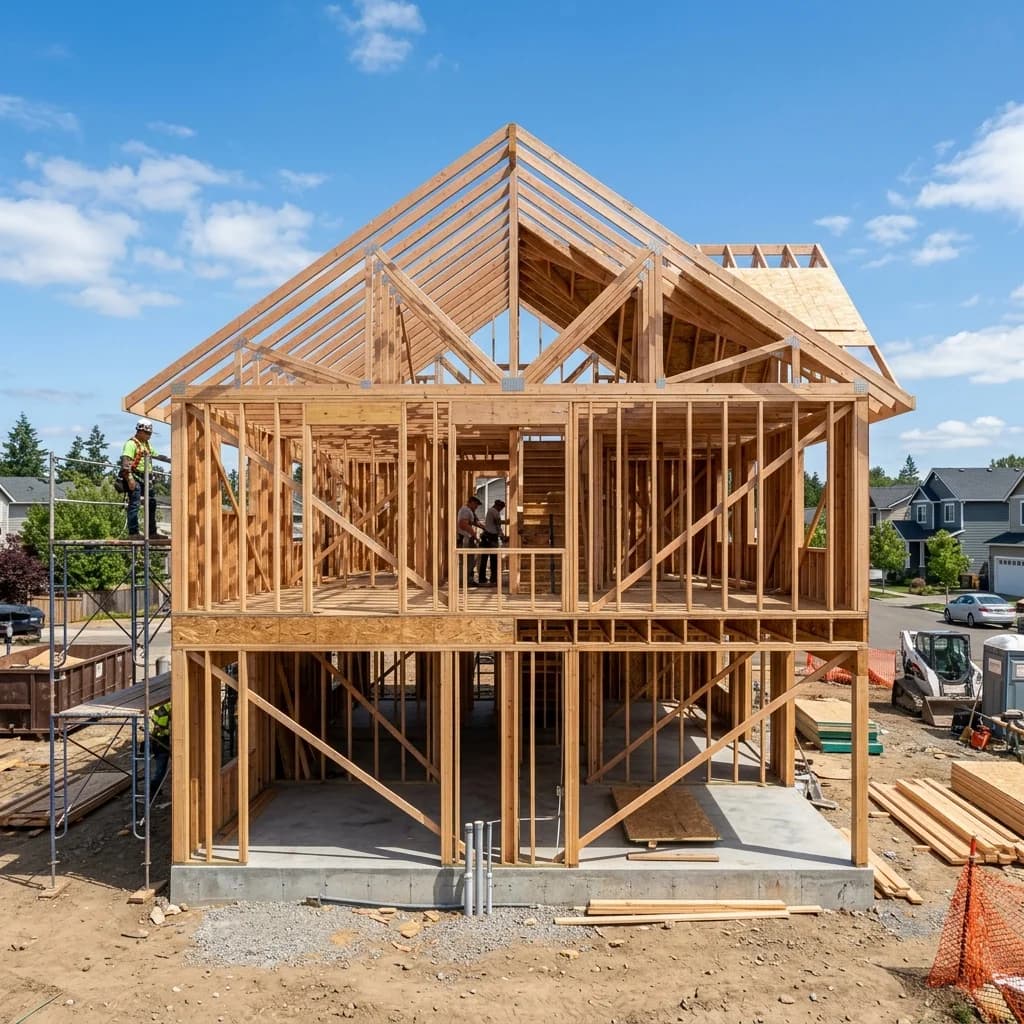
Understanding your material needs early prevents expensive delays and budget overruns:
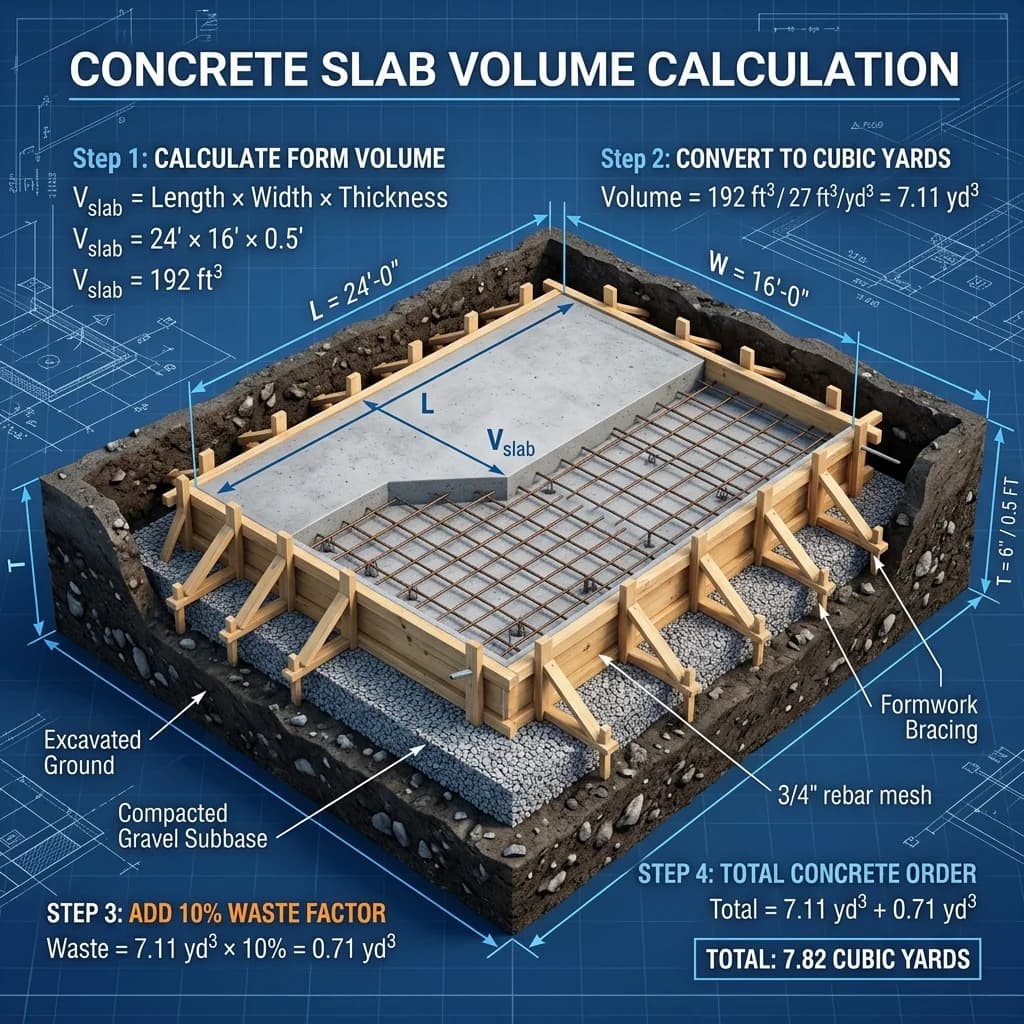
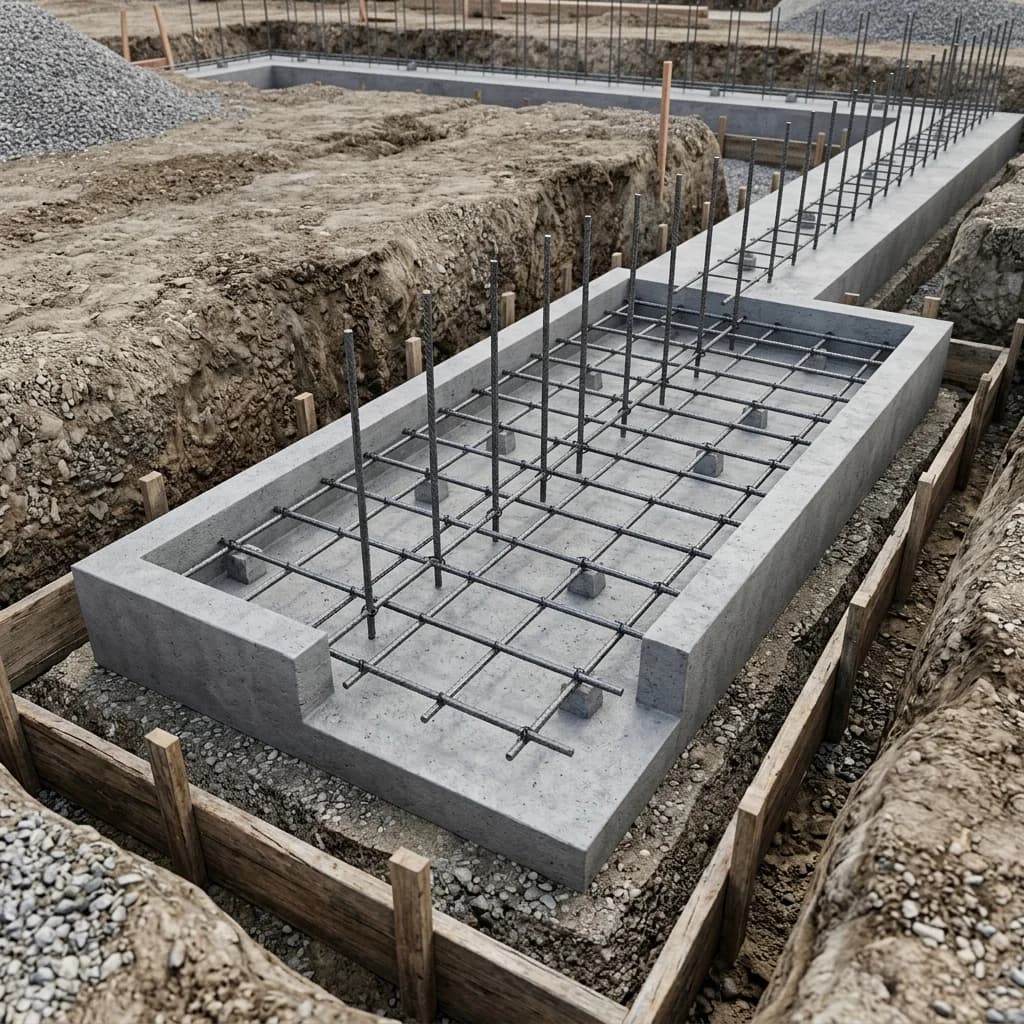
- The Concrete Foundation: If you are building a ranch plan, you will need to pour a large slab. Use our Concrete Slab Calculator or the Foundation Estimator to determine the concrete volume and steel rebar grid requirements. Be sure to check out our Foundation Footing Size Guide to ensure code compliance.
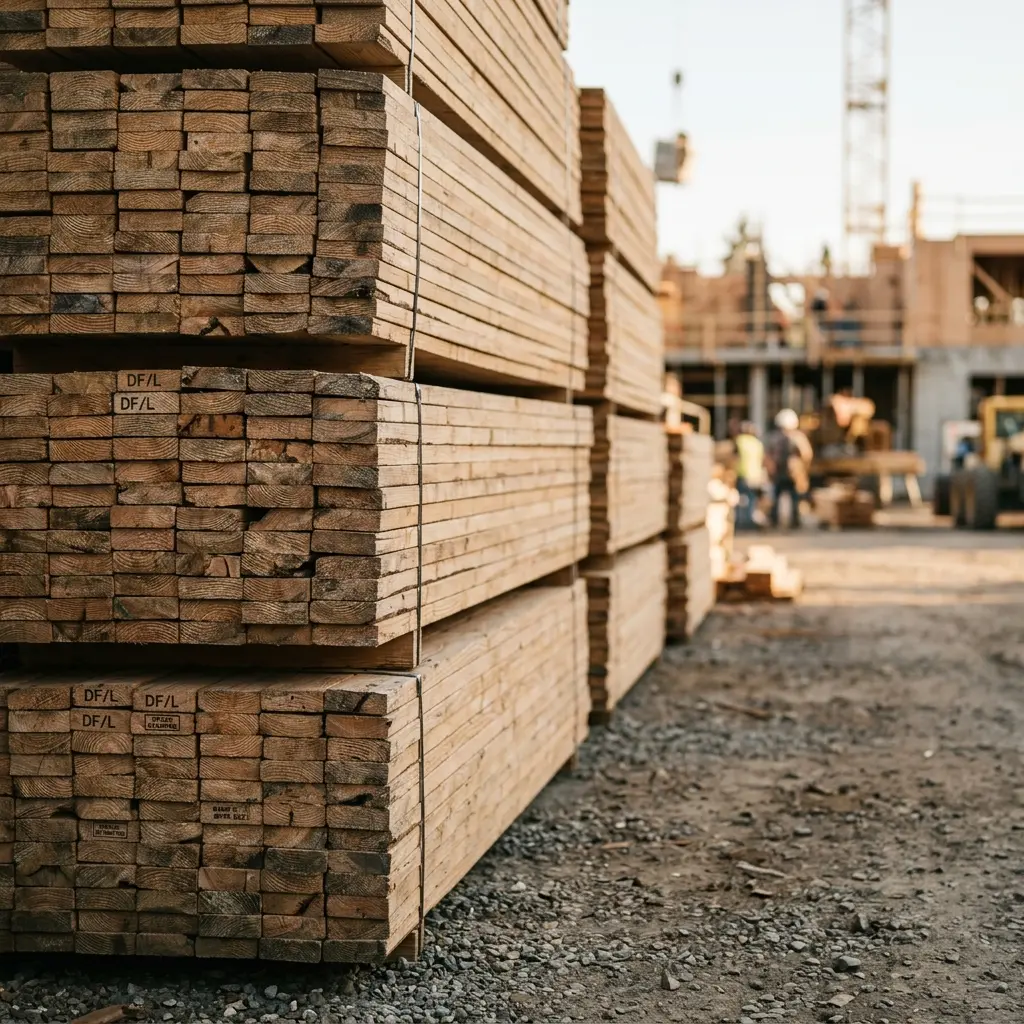
- Framing & Lumber: Wood framing forms the skeleton of your home. You can calculate the required board feet and piece count for studs, plates, and headers using our Lumber & Wood Calculator.
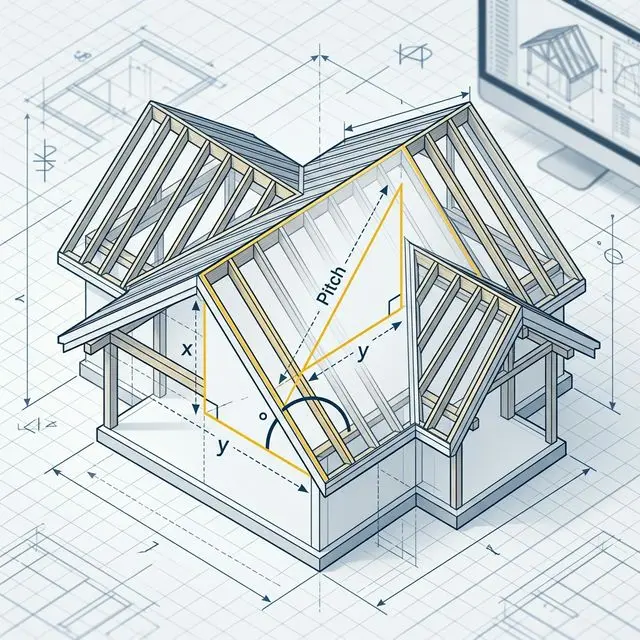
- Roof Pitch & Shingles: The steepness of your roof dictates the quantity of shingles and the length of the rafters. Read our guide on Roof Pitch vs. Angle and use the Roof Pitch Calculator to estimate your roofing materials accurately.
- The 10% Waste Factor: Earth is never perfectly flat, and lumber often has natural defects. Always add a waste margin to your calculations to avoid running short. Read about The 10% Construction Waste Factor to understand why this buffer is crucial.
Summary: Building Your Dream Home
A 2,000-square-foot home is an exceptional canvas for creating a beautiful, functional, and affordable residence. By choosing the right layout (such as a ranch style to maximize accessibility, or a two-story style to minimize foundation costs) and carefully planning your spaces, you can build a home that serves your family for decades. Take your time to review blueprints, consult local code guidelines, and use our tools to verify your material quantities before breaking ground.
Frequently Asked Questions
How many bedrooms and bathrooms are typical in a 2000 sq ft home plan?
Most 2000 sq ft homes are designed with 3 to 4 bedrooms and 2 to 2.5 bathrooms. A 3-bedroom design generally allows for larger individual rooms, a spacious master suite, and bigger walk-in closets. A 4-bedroom plan maximizes sleeping options but results in slightly smaller bedrooms.
Is a 2000 square foot single story ranch cheaper to build than a 2-story home?
No, a single-story ranch home is generally more expensive to build than a two-story home of the same square footage. A ranch style home requires a foundation and roof that are twice as large as those of a two-story home. Concrete and roofing materials represent a significant portion of overall structural build costs.
What size lot do I need for a 2000 square foot single story house plan?
To build a 2000 sq ft single-story ranch home, you typically need a lot that is at least 60 to 70 feet wide and 100 to 120 feet deep (about 0.15 to 0.2 acres). The exact size depends on local zoning setback laws, which dictate how far the house must sit from the property boundaries.
How do I read blueprints to estimate materials for 2000 sq ft homes?
Blueprints show dimensions in feet and inches (e.g. 24'-6") and are drawn to a specific scale (typically 1/4 inch equals 1 foot). To learn how to extract accurate measurements for concrete, lumber, and paint estimations, check out our guide on Reading Blueprints for Site Measurements.
About the Author

Hassan Baloch — An experienced Civil Engineer with more than a decade in building and structural planning. Hassan rigorously verifies the mathematical formulas and code compliance of our estimation tools to guarantee absolute precision. Contact our team for technical inquiries.
Related Guides
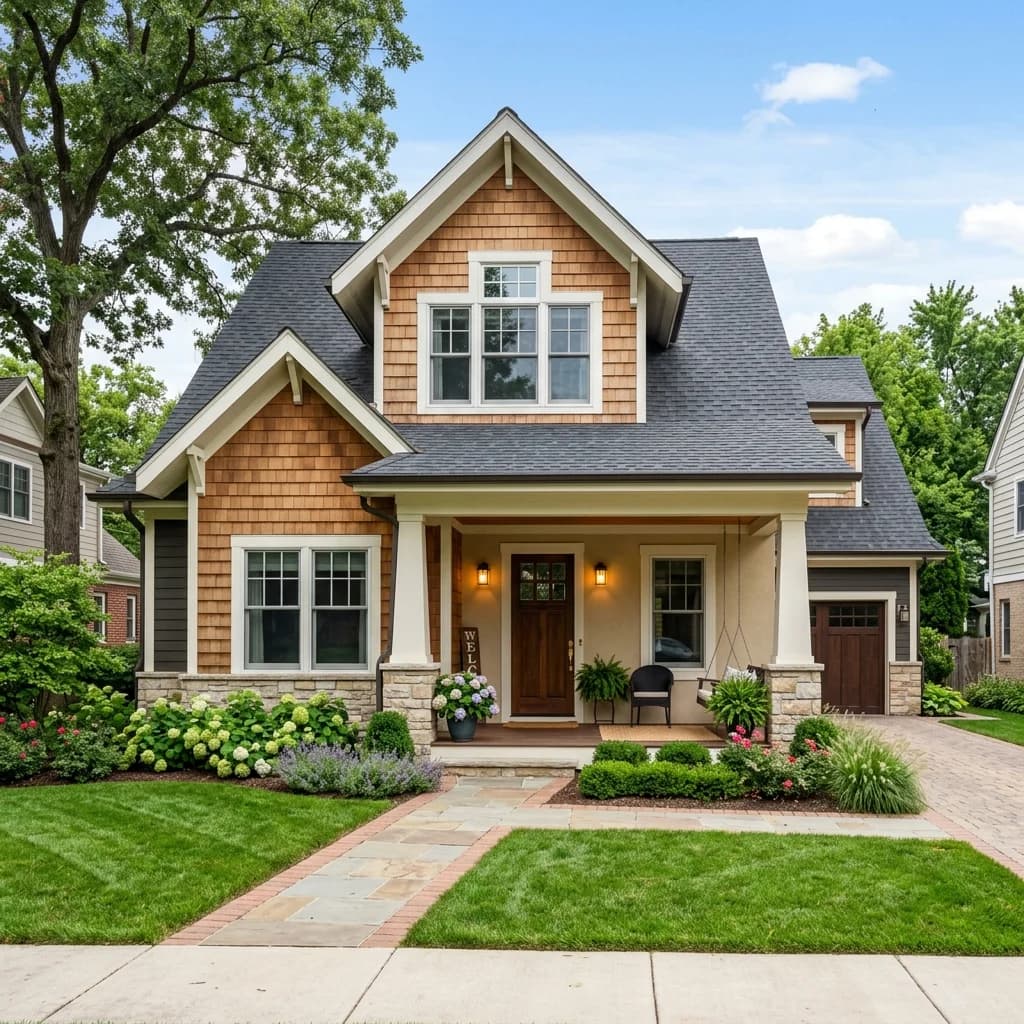
The 1.5-Story House Plan Guide: Maximizing Space Without the 2-Story Price Tag
Discover how 1.5-story house plans maximize your square footage and offer the cozy appeal of a second level without the high costs of a full two-story build.
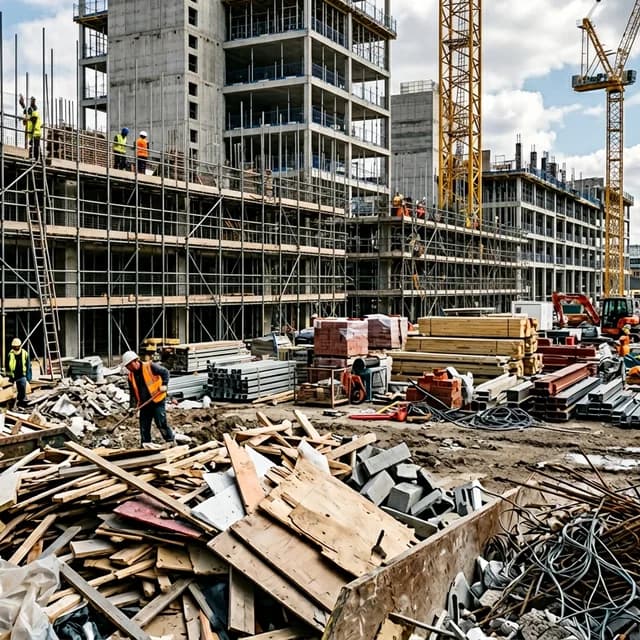
The 10% Rule: Why Construction Waste Factors Can Make or Break Your Budget
Learn why ordering the exact amount of material often leads to project failure and how to correctly calculate the construction waste factor for concrete, lumber, and more.
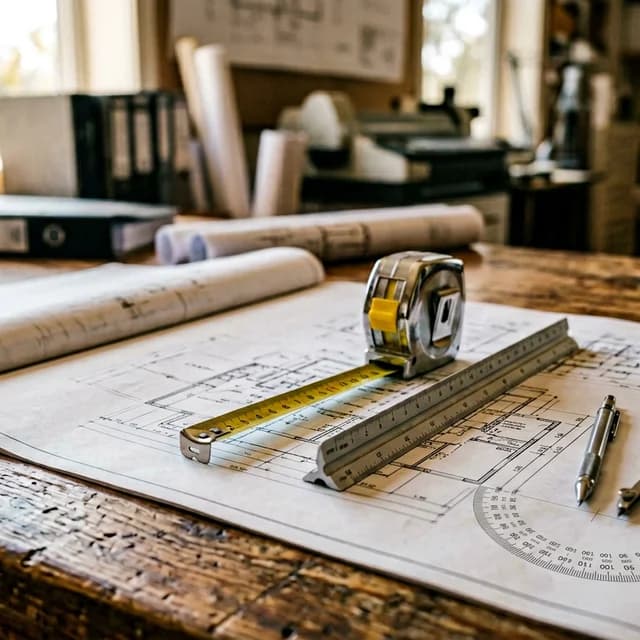
Reading Blueprints: How to Extract Accurate Site Measurements
A comprehensive Blueprint Measurement Guide for DIYers. Learn how to find the exact length, depth, and volume requirements for your construction calculators.
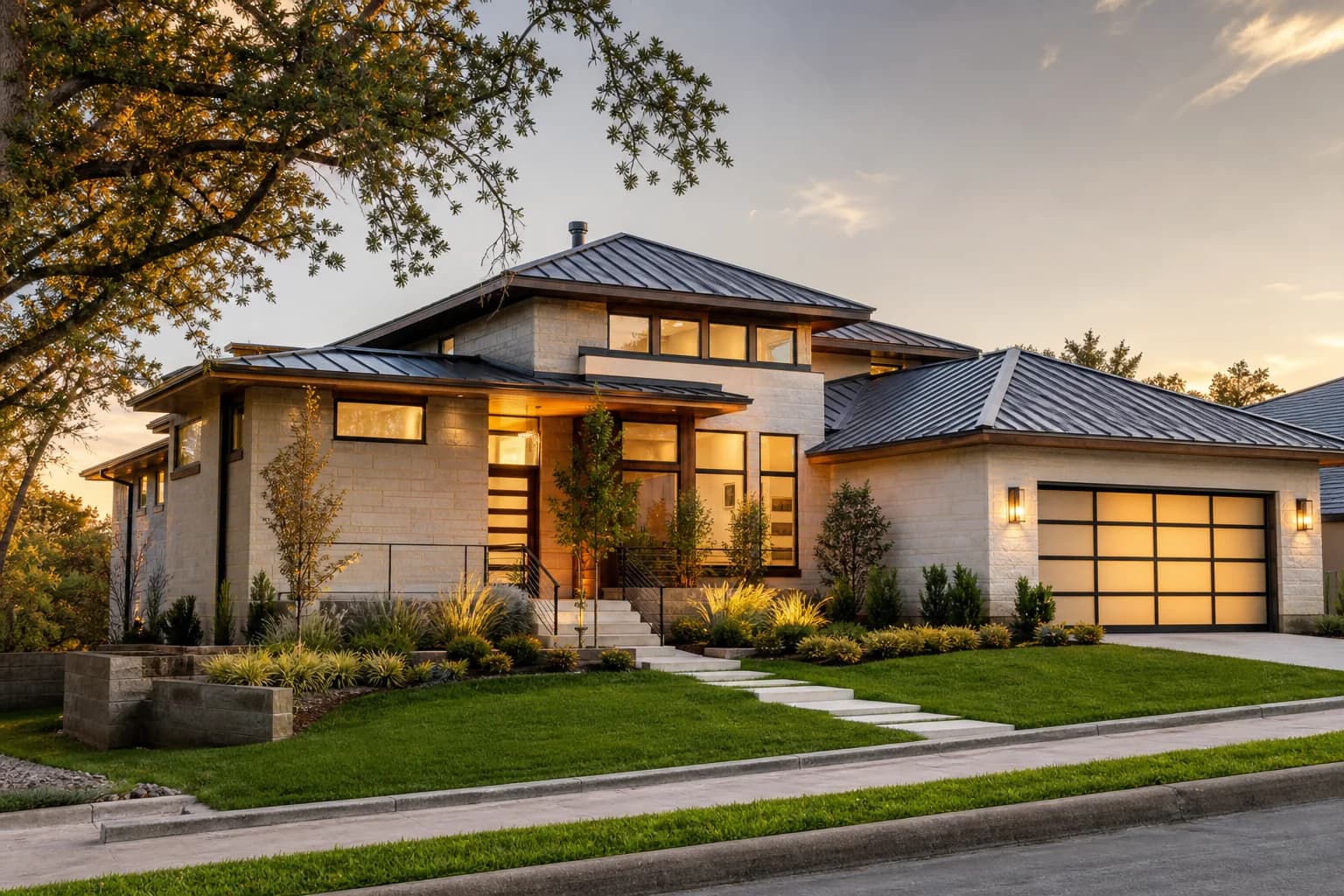
What Is Residential Architecture? A Complete Guide for Homeowners
Learn what residential architecture is, what a residential architect does, how the design process works, common home styles, and when you need professional architectural help for your project.
Related Calculators
Construction Cost
High-level cost estimator for new builds.
Concrete Slab Calculator
Volume and material calculations for flat slabs.
Foundation Calculator
Estimate concrete required for footings and foundations.
Roof Pitch Calculator
Determine roof pitch, angle, rafter length, and area.
Lumber & Wood Calculator
Calculate board feet and total lumber piece counts.