
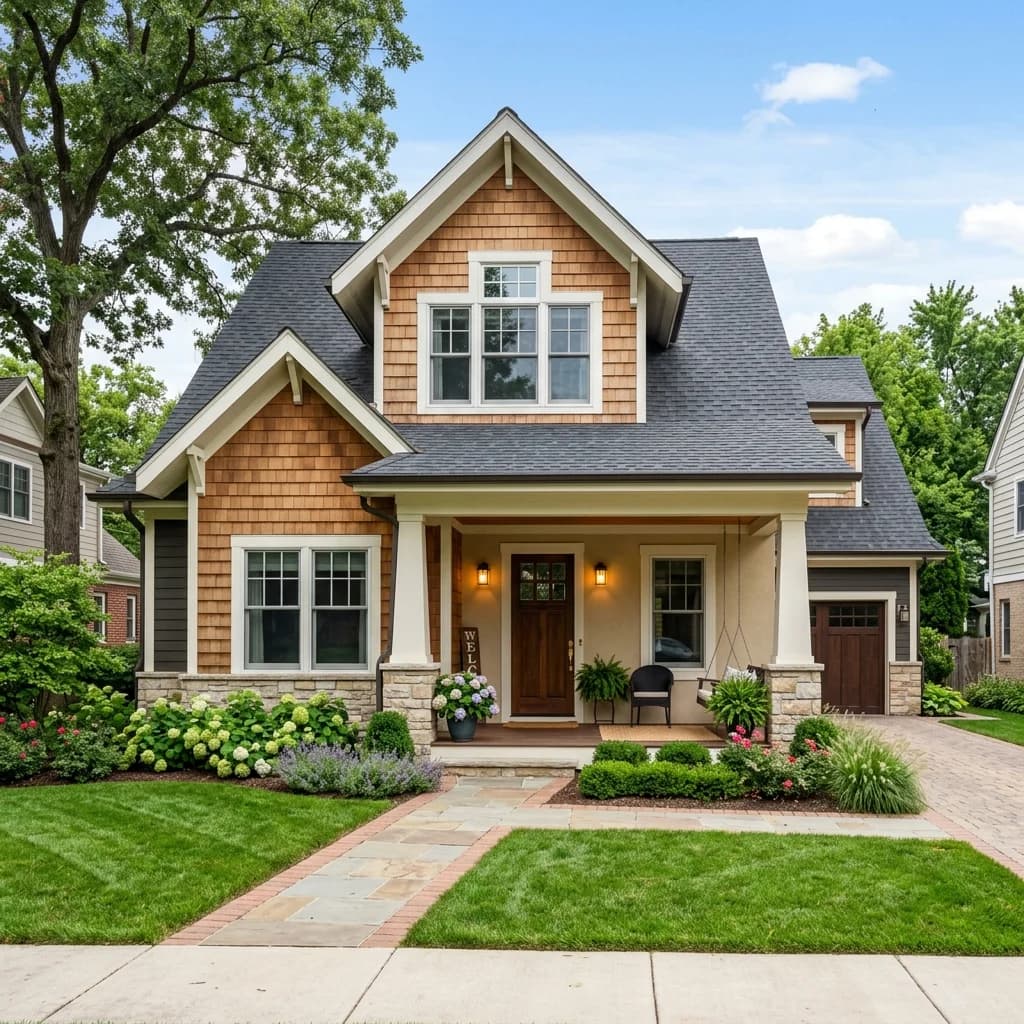
The 1.5-Story House Plan Guide: Maximizing Space Without the 2-Story Price Tag
Discover how 1.5-story house plans maximize your square footage and offer the cozy appeal of a second level without the high costs of a full two-story build.
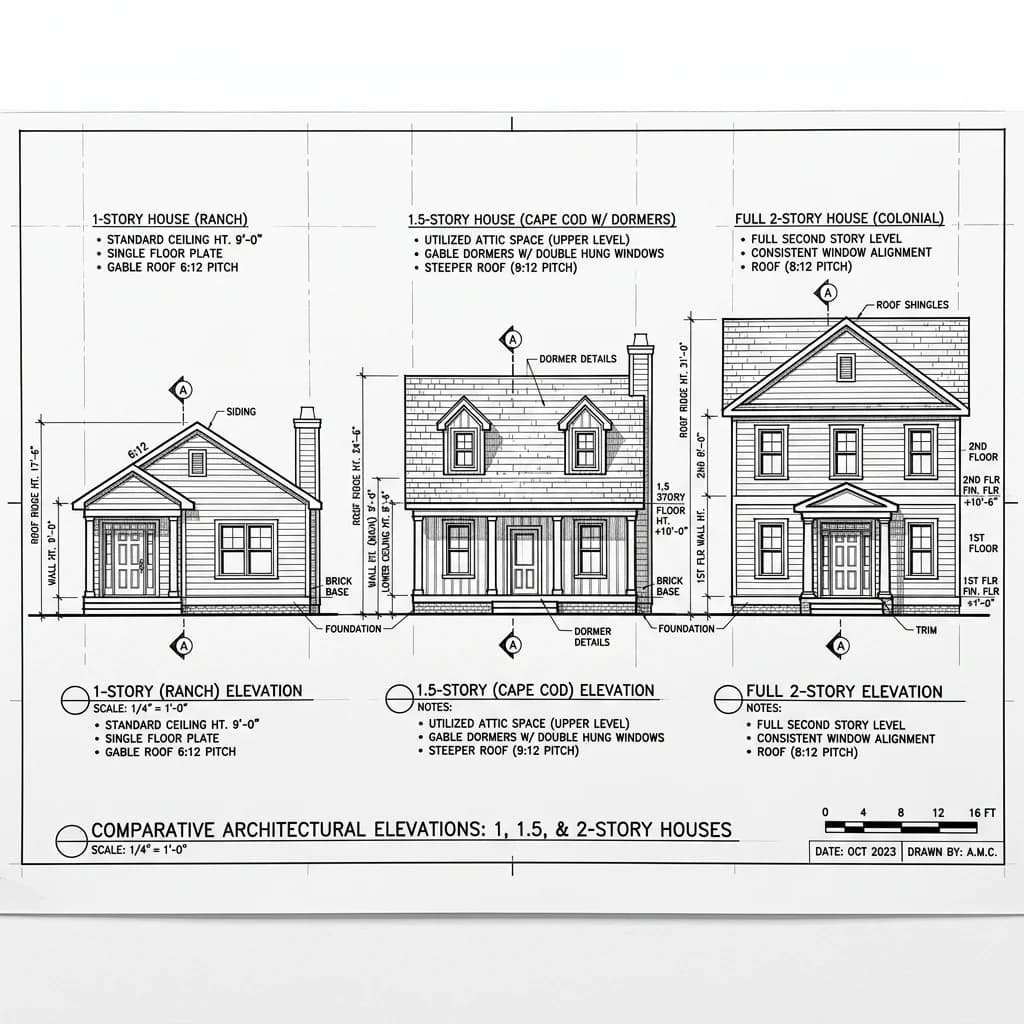
When planning a new home, one of the most critical decisions you will make is choosing the number of levels. Should you build a sprawling single-story ranch, or go up with a traditional two-story design? Both options come with distinct trade-offs in construction cost, yard space, and daily livability.
Fortunately, there is a middle ground that has captured the hearts of homeowners and builders alike: 1.5-story house plans (often written as 1 1/2 story home plans or 1 2 story house plans). This clever architectural style offers the look, feel, and separation of a multi-level home while maintaining the compact footprint and cost efficiency of a single-story build.
In this comprehensive guide, we will unpack everything you need to know about house plans 1 1/2 story homes. We will look at how they are framed, explore why they save money compared to a full two-story plan, and integrate professional tools like our Construction Cost Calculator to help you estimate your budget. By the end of this guide, you will see why these unique one half storey house designs are one of the smartest ways to maximize your space.
What is a 1.5-Story House Plan?
At first glance, a 1.5-story house can easily be mistaken for a full two-story home. However, the difference lies in how the upper level is structurally constructed.
In a standard two-story home, the second floor has full-height exterior walls (typically 8 or 9 feet tall) that sit directly on top of the first-floor walls. The roof is then built on top of this second-floor box.
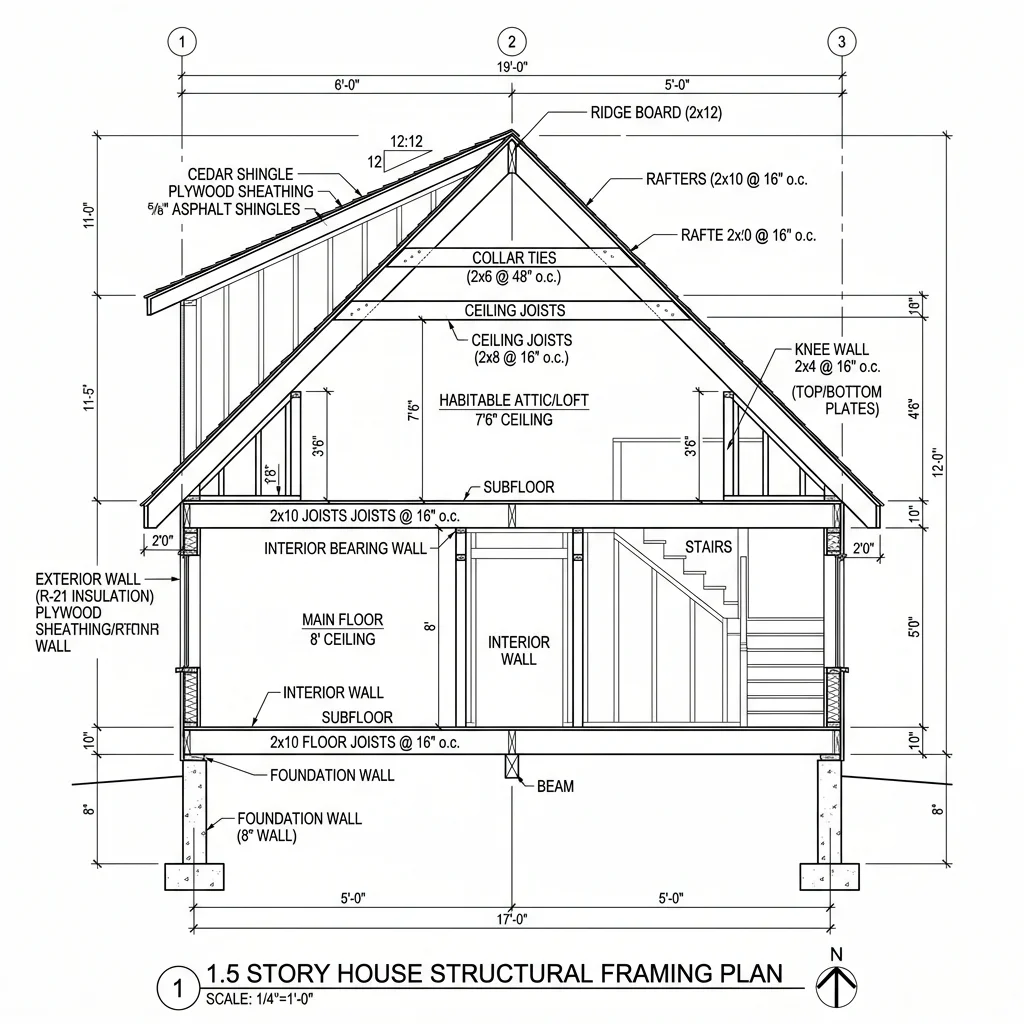
In contrast, 1 1/2 house plans feature full-height walls on the first floor only. The second floor is built directly within the roof structure. The roof rafters or attic trusses slope down to meet the floor joists of the second level. This creates sloped ceilings in the upper rooms and results in a habitable upper level that occupies roughly half to three-quarters of the square footage of the main floor.
To make this sloped space livable and bright, architects utilize architectural elements like:
- Dormers: Small structures that project outward from a sloping roof, containing windows to bring in light and create pockets of full headroom.
- Knee Walls: Short vertical walls (typically 3 to 5 feet high) that seal off the lowest parts of the sloped roof, preventing you from bumping your head and creating space for built-in storage.
- Collar Ties: Horizontal beams that connect opposing rafters high up in the roof frame to prevent the rafters from spreading apart under heavy snow loads.
The Financial Advantages: Beating the 2-Story Price Tag
One of the biggest reasons families search for 1 1 2 story home plans is the budget. Building a home is a game of balancing square footage with materials and labor. Let's look at the three primary areas where a 1.5-story home saves you money:
1. Foundation Savings
Concrete is one of the most expensive parts of a new build. If you want a 2,400-square-foot house, building a single-story ranch means pouring a 2,400-square-foot foundation.
If you choose a 1.5-story plan, you can design a 1,600-square-foot main level and place the remaining 800 square feet on the second level. This reduces your required foundation footprint by 800 square feet. You can estimate the concrete and steel savings for this footprint reduction using our Foundation Calculator.
2. Wall Framing and Siding Reduction
Framing a full second story requires purchasing extra studs, sheathing, house wrap, and siding. Because the second story of a 1.5-story home is tucked inside the roof, you do not build full-height exterior walls on the second floor.
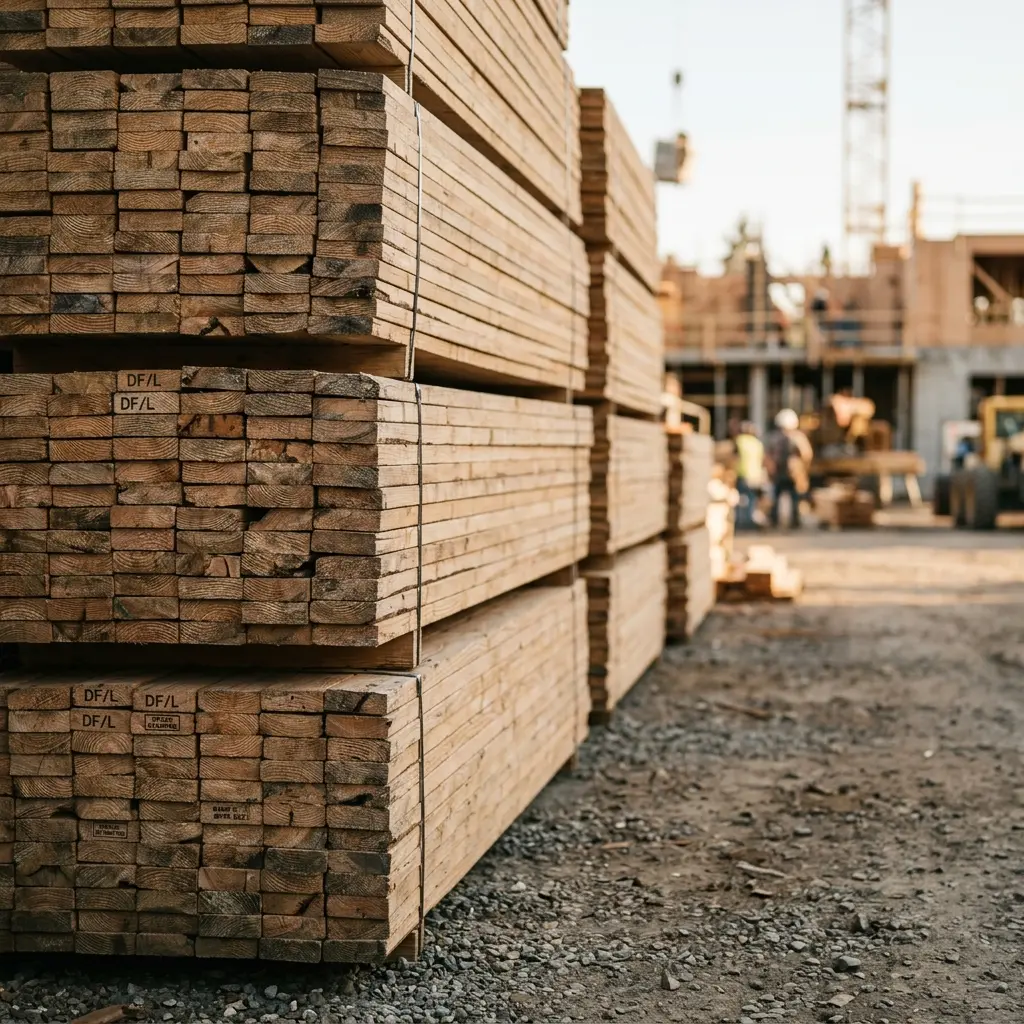
While you will need a steeper roof and specialized attic trusses, the overall consumption of lumber for vertical walls is significantly reduced. This saves you thousands on raw lumber orders, which you can calculate with our Lumber & Wood Calculator.
3. HVAC and Utility Runs
Heating and cooling a full two-story home often requires two separate HVAC units or complex multi-zone dampers because heat naturally rises.
A 1.5-story house, because of its compact upper-level volume, can often be conditioned with a single, well-designed heat pump system with a zone splitter. Additionally, plumbing lines and electrical runs are shorter and less complex because the second-floor rooms sit directly above the main-floor utility core.
Key Architectural Elements of 1.5-Story House Designs
While the cost savings are appealing, living in a 1.5-story home requires understanding the unique geometry of the space. To make these plans successful, three architectural elements must be carefully designed:
Understanding Roof Pitch
A standard ranch home might use a gentle 4/12 or 5/12 roof pitch. A 1.5-story house plan, however, strictly requires a steep pitch—typically 8/12, 10/12, or even 12/12. This steep angle is what creates the headroom necessary to walk around comfortably on the second floor. Before selecting a plan, use our Roof Pitch Calculator to understand how different roof angles affect rafter lengths and vertical clearances.
The Magic of Dormers
Without dormers, the upper floor of a 1.5-story home would feel like a dark attic crawlspace. Dormers solve this by cutting through the roof slope to add vertical windows.
- Gabled Dormers: These feature a traditional pointed roof. They add a classic, cottage-like charm to the exterior and are perfect for creating cozy reading nooks or placing a desk.
- Shed Dormers: These feature a single flat roof plane that slopes in the same direction as the main roof but at a much shallower angle. Shed dormers can span almost the entire length of the house, drastically increasing the usable square footage and allowing for full-height closets and bathrooms on the upper level.
Knee Wall Optimization
Where the sloping roof meets the floor, you are left with a wedge of space that is too low to walk in. Rather than leaving this as wasted space, clever designers turn it into functional storage. By building knee walls at a height of 3.5 or 4 feet, you create a neat boundary. The dead space behind the knee walls can be accessed via small doors to store holiday decorations, or fitted with custom recessed drawers and bookshelves.
Designing the Perfect 1.5-Story Floor Plan
The layout of a 1.5-story home is ideal for families at different stages of life. The most popular configuration is known as **"Main Floor Living with an Upper Loft."**
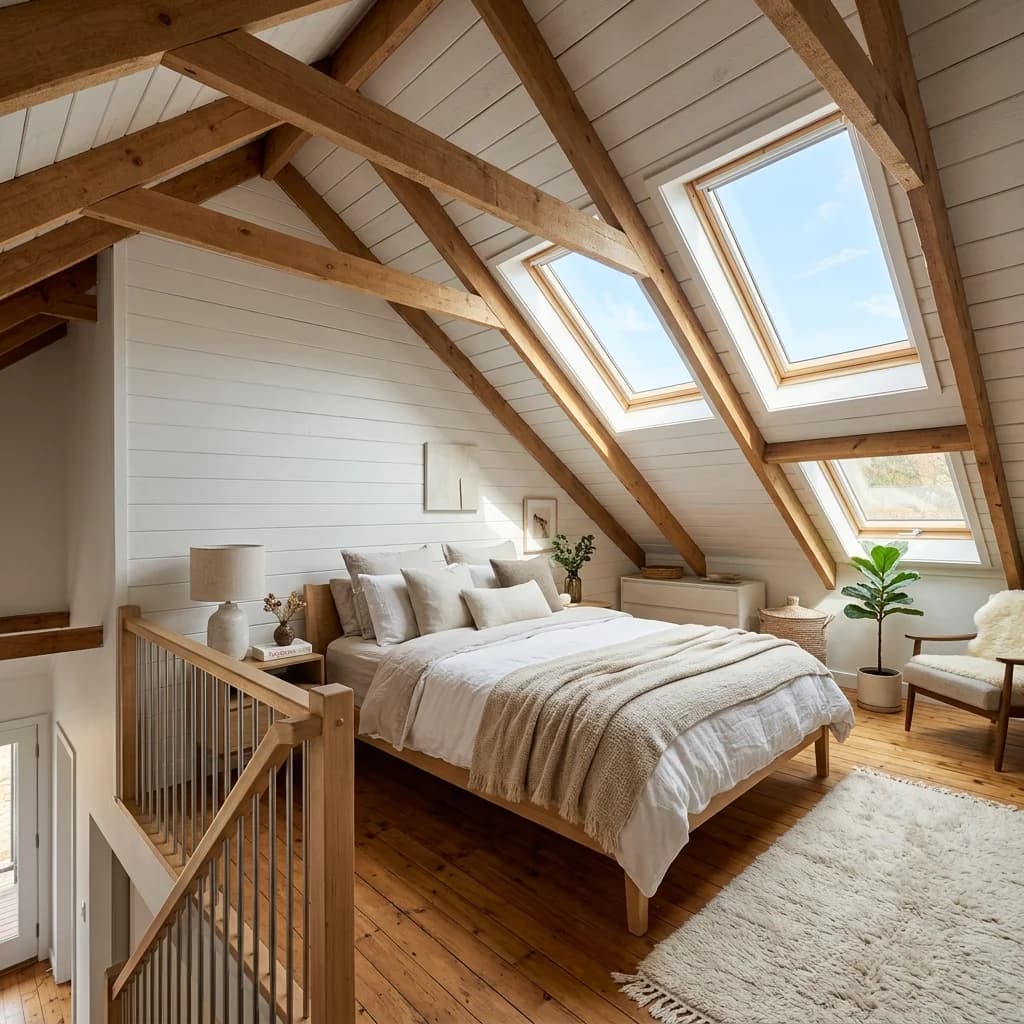
In this layout, the main floor contains the primary bedroom suite, the laundry room, the kitchen, and the primary living area. This means that as homeowners age, they can live entirely on the main floor without ever having to climb stairs daily.
The half-story upstairs is reserved for children, guests, or a home office. It usually contains one or two bedrooms, a full bathroom, and a flexible loft area that overlooks the living room below. This provides excellent acoustic and visual separation.
However, you must keep in mind that stairs take up valuable floor space on both levels. A standard straight flight of stairs consumes about 30 to 40 square feet of floor space. To design your staircase layout and ensure it complies with local building codes for headroom, use our Staircase Calculator before finalizing your layout.
Comparing Layout Styles: Ranch vs. 1.5-Story vs. 2-Story
| Feature | 1-Story Ranch | 1.5-Story House | 2-Story Traditional |
|---|---|---|---|
| Foundation Footprint | Large (Expensive) | Medium (Economical) | Small (Most Economical) |
| Roof Pitch | Shallow (4/12) | Steep (8/12 to 12/12) | Moderate (4/12 to 6/12) |
| Upper Floor Headroom | N/A | Sloped (Cozy) | Flat/Full (Standard) |
| Exterior Siding Area | Low | Medium | High (Expensive) |
| Aging-in-Place Rating | Excellent | Very Good (Master Suite down) | Poor (Bedrooms upstairs) |
Critical Construction Considerations: Insulation is Key
Before you break ground on one of these one half storey house designs, you must address one major structural challenge: thermal control.
Because the ceilings of a 1.5-story upper level are also the roof of the house, there is very little physical space between the drywall and the roof decking. In the summer, solar radiation heats the shingles to over 150°F, which can make the upper rooms feel like an oven. In the winter, heat escapes rapidly if not insulated correctly.
To prevent uncomfortable rooms and massive energy bills, you must:
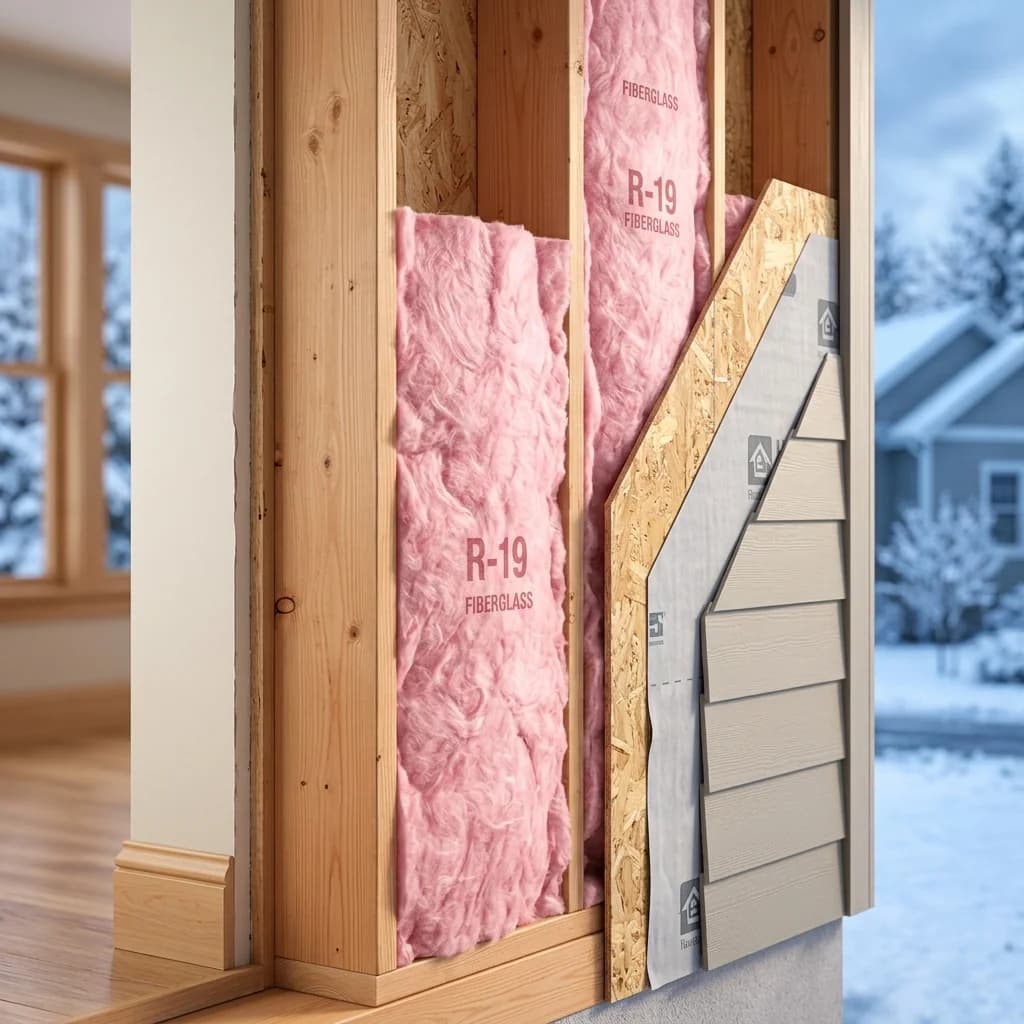
- Use R-38 to R-60 insulation: This typically requires thick foam boards, spray foam, or high-density fiberglass bats. Calculate your required square footage and material thickness using our Attic & Wall Insulation Calculator.
- Ensure proper roof ventilation: You must leave a 1-to-2-inch air gap between the top of the insulation and the underside of the roof sheathing. Baffles must be installed to allow air to flow from the soffit vents at the bottom of the roof up to the ridge vent at the top, carrying away heat and moisture.
Final Thoughts
If you are looking to maximize your living space without breaking the bank on a massive foundation or high two-story walls, a 1.5-story house plan is an exceptional choice. It blends the cozy, rustic appeal of slanted ceilings and dormer windows with the practical benefits of main-floor living.
Take your time to compare plans, study your local building codes, and use our collection of estimation tools to budget your build. Start by calculating your foundational footprint with our Foundation Calculator, and plan your structural framing budget with our Lumber & Wood Calculator to ensure your dream home stays on budget.
Frequently Asked Questions
What is the difference between a 1.5-story and a 2-story house plan?
A 2-story house plan has full-height exterior walls on both levels, with a flat ceiling throughout the second floor. A 1.5-story house plan has full-height walls on the first floor only, while the second floor is built directly inside the sloping roof structure. This creates slanted ceilings on the upper level and reduces the overall exterior wall height.
Is it cheaper to build a 1.5-story house or a full 2-story house?
Yes, a 1.5-story house is generally cheaper to build than a full 2-story house of the same footprint. By placing the upper level inside the roof structure, you reduce the amount of lumber, siding, and exterior wall framing required. However, it requires a steeper roof pitch and specialized attic trusses, which slightly offsets some of the savings.
Do 1.5-story houses feel cramped on the second floor?
Not if they are designed correctly. Adding gabled or shed dormers opens up the sloped ceilings, creating pockets of full headroom and introducing natural light. Utilizing knee walls for built-in storage or dressers also frees up floor space, making the rooms feel cozy and architectural rather than cramped.
What roof pitch is required for a 1.5-story home?
To create sufficient headroom on the upper level, a 1.5-story house plan typically requires a steep roof pitch between 8/12 and 12/12. A shallower pitch (such as 4/12 or 6/12) will not provide enough vertical height under the rafters to create code-compliant, livable ceiling heights.
About the Author

Hassan Baloch — An experienced Civil Engineer with more than a decade in building and structural planning. Hassan rigorously verifies the mathematical formulas and code compliance of our estimation tools to guarantee absolute precision. Contact our team for technical inquiries.
Related Guides
Reading Blueprints: How to Extract Accurate Site Measurements
A comprehensive Blueprint Measurement Guide for DIYers. Learn how to find the exact length, depth, and volume requirements for your construction calculators.
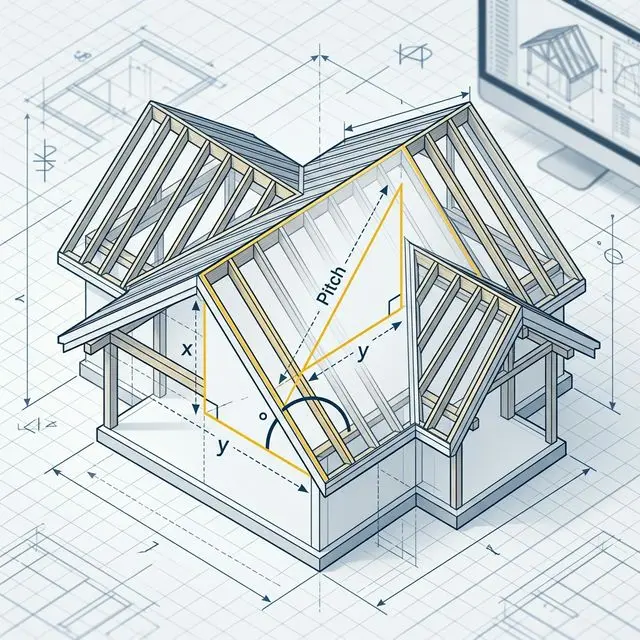
Roof Pitch vs. Angle: The 2026 Guide
Confused about roof pitch versus angle? Understand the mathematics of roofing geometry, learn how to measure it, and accurately use our roof pitch calculator for your next project.
Related Calculators
Construction Cost
High-level cost estimator for new builds.
Roof Pitch Calculator
Determine roof pitch, angle, rafter length, and area.
Staircase Calculator
Find rise, run, stringer length, and total steps.
Attic & Wall Insulation
Calculate net insulation area and required thickness for optimal R-Value.
Lumber & Wood Calculator
Calculate board feet and total lumber piece counts.