Top 5 Common Construction Math Mistakes
Avoid costly errors on your next project with these essential construction estimation tips. Learn the top 5 math mistakes made by beginners and professionals alike.
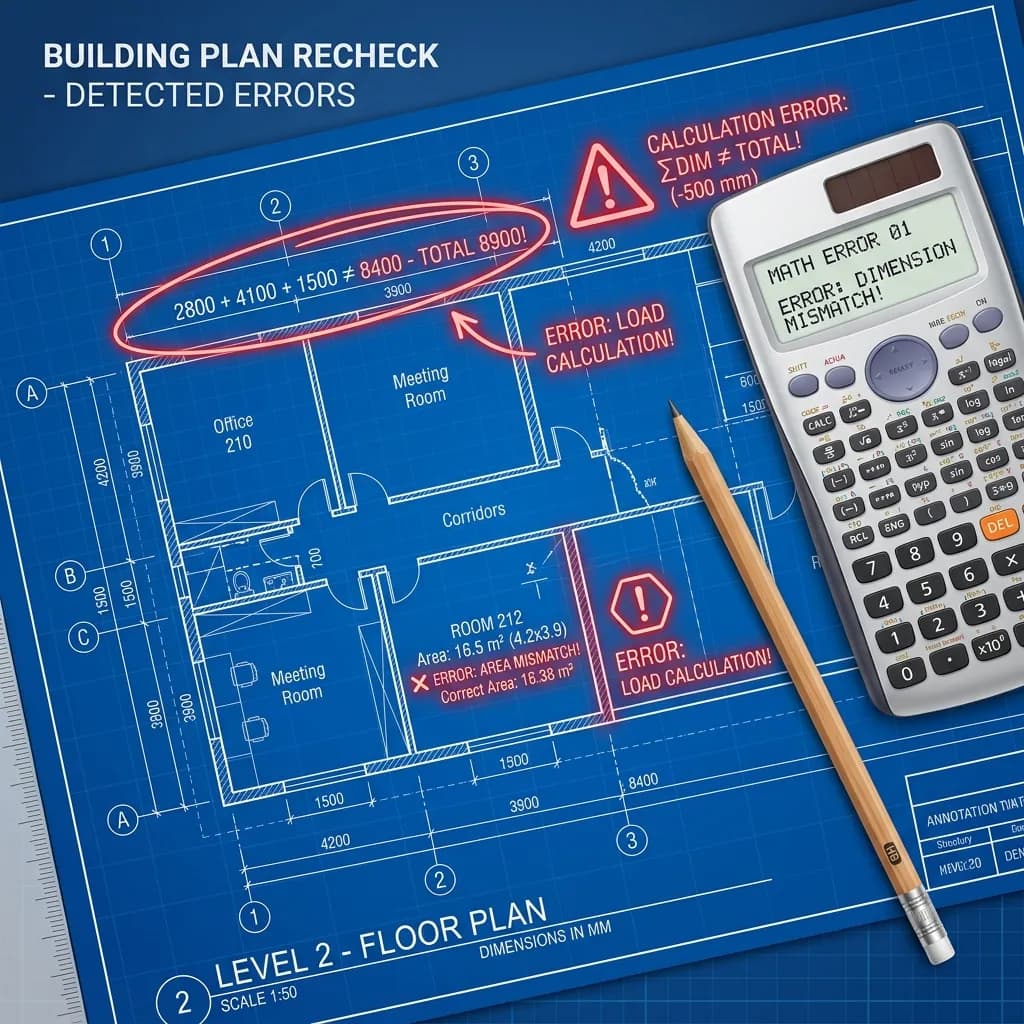
Whether you are a DIY enthusiast taking on a weekend project or a seasoned professional managing a large job site, accuracy is everything. A minor miscalculation on paper can quickly snowball into a massive problem in the field. When it comes to ordering materials, pouring concrete, or framing walls, the numbers must be perfect.
In this guide, we are sharing essential construction estimation tips by highlighting the top five math mistakes that consistently ruin budgets and delay timelines. By understanding these common pitfalls, you can ensure your next project is built on a solid foundation of precise mathematics.
1. Miscalculating Area and Perimeter
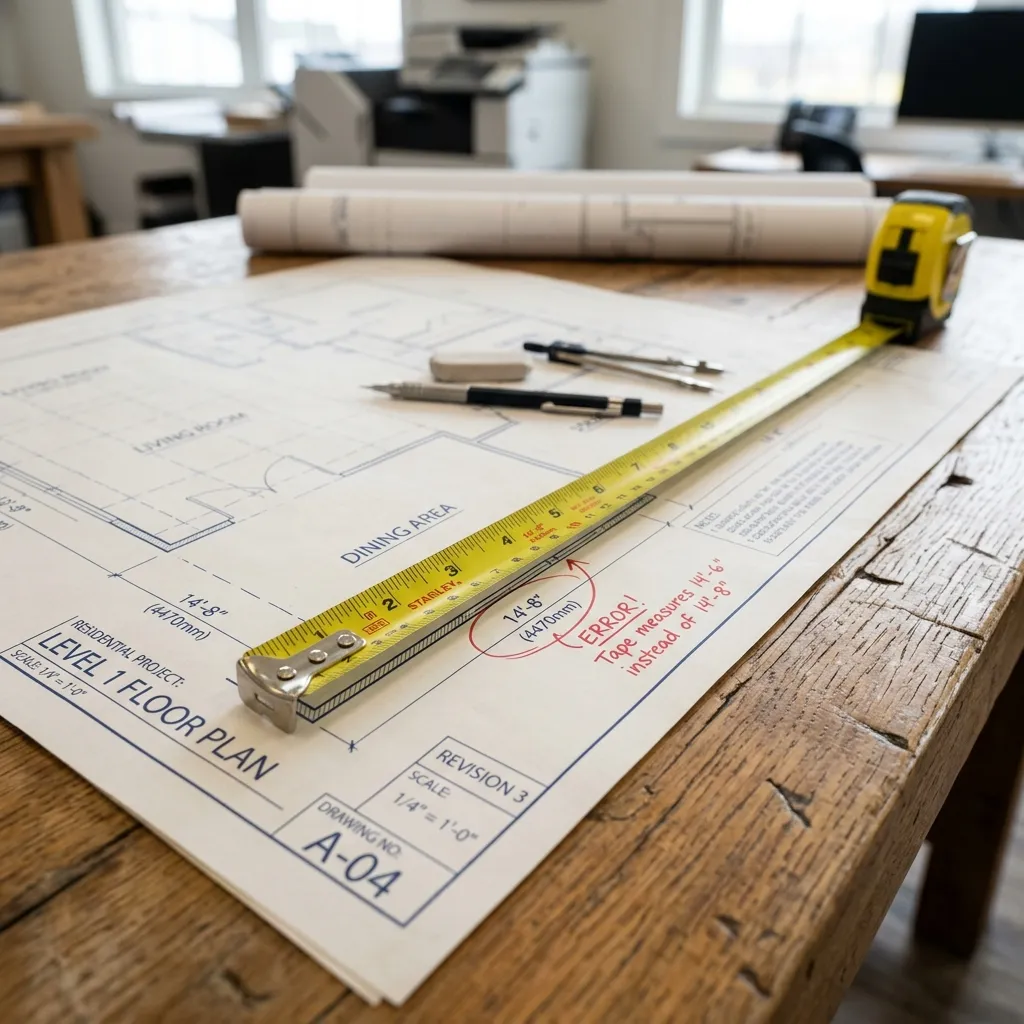
One of the most frequent errors occurs before any materials are even purchased: confusing area with perimeter. Perimeter is the total length around the outside of a space, while area is the total surface space within those boundaries.
For example, when ordering baseboards, you need the perimeter. When ordering flooring, you need the area. Mixing up these two fundamental formulas leads to massive over-ordering or disastrous shortages. Always double-check your measurements and use a reliable Area & Perimeter Calculator to ensure you are solving for the correct value.
2. Incorrect Unit Conversions
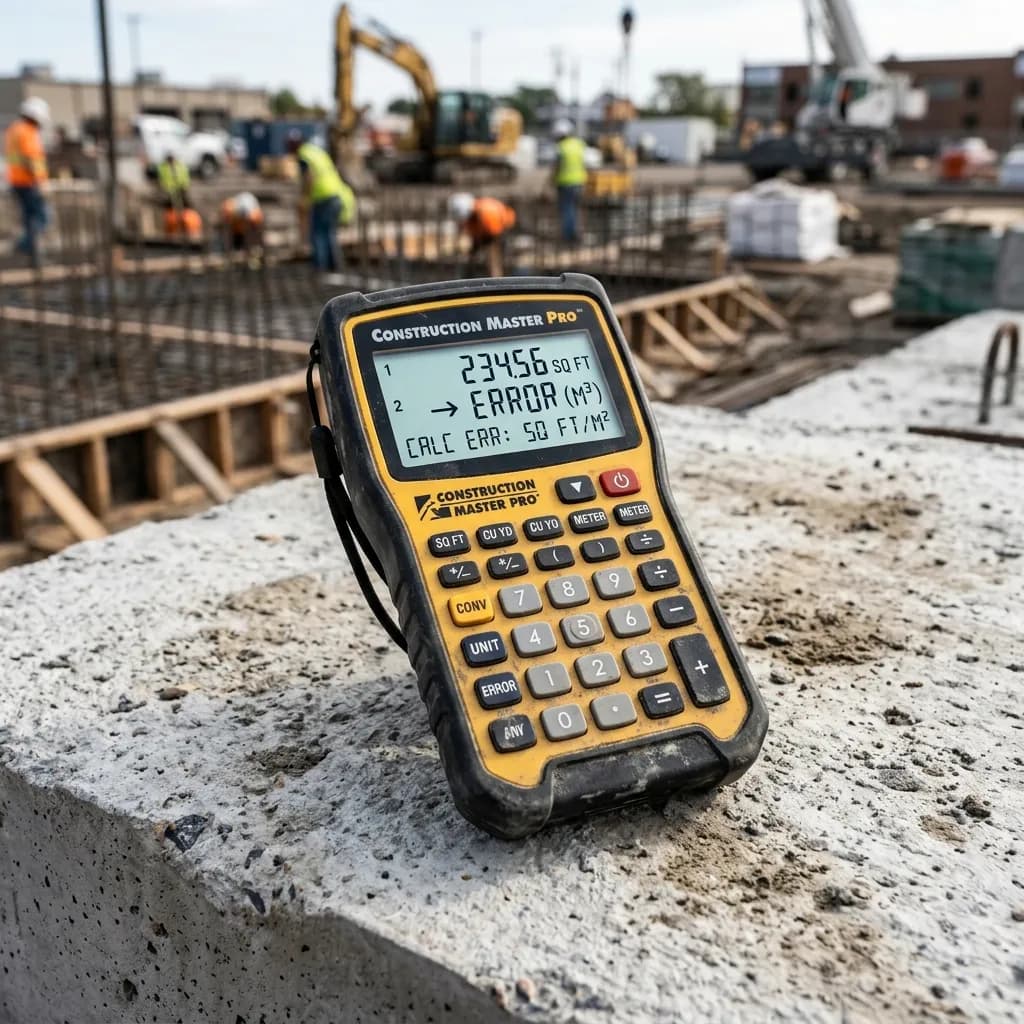
Construction materials are sold in a variety of units. Concrete is sold by the cubic yard, lumber by linear feet or board feet, and drywall by the square foot. A common mistake is calculating your project in inches or feet and forgetting to convert to the unit the supplier uses.
For instance, if you calculate the volume of a trench in cubic feet and order that same number in cubic yards, you will receive exactly 27 times more concrete than you need! Always convert your final numbers carefully, or rely on our built-in conversion tools to handle the heavy lifting.
3. Failing to Account for the Waste Factor
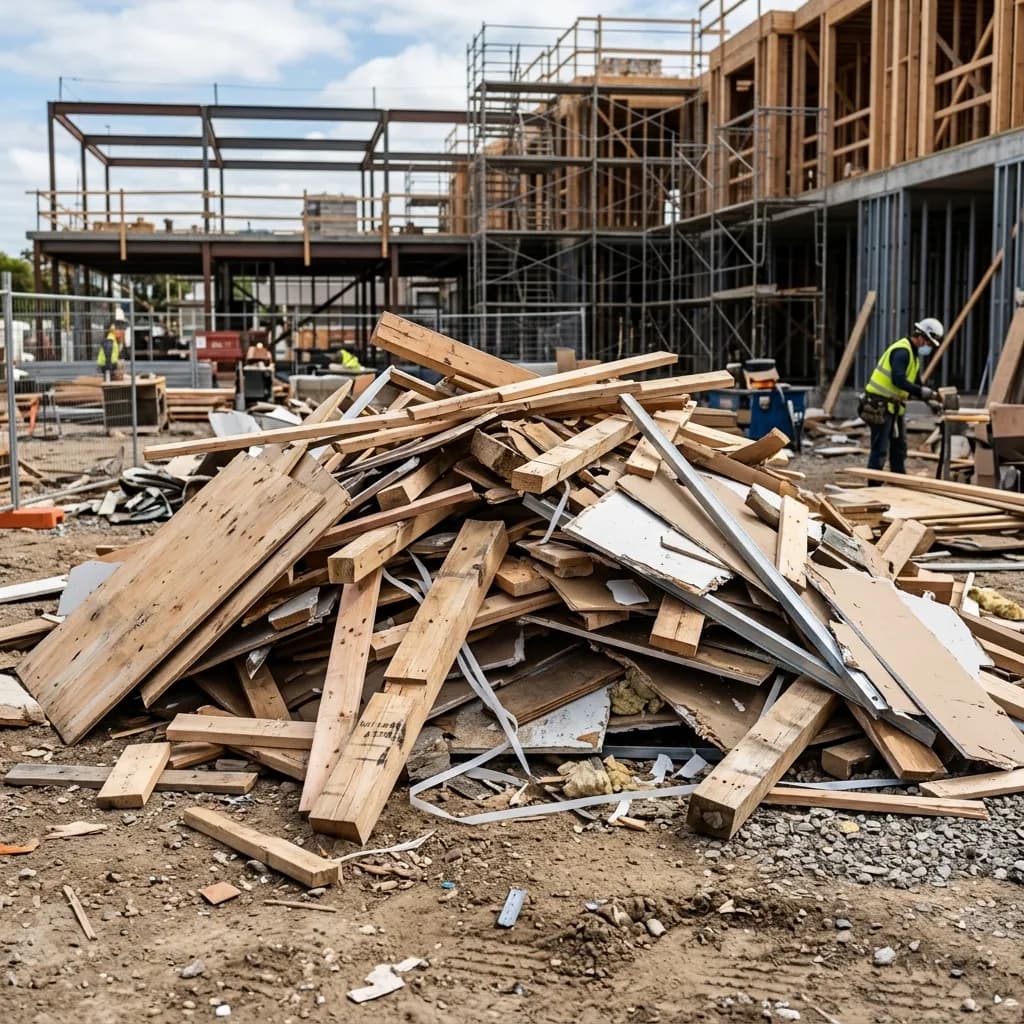
Perhaps the most critical of all construction estimation tips is planning for the inevitable. The real world is not perfect. Boards have knots, concrete spills, and tiles break during cutting.
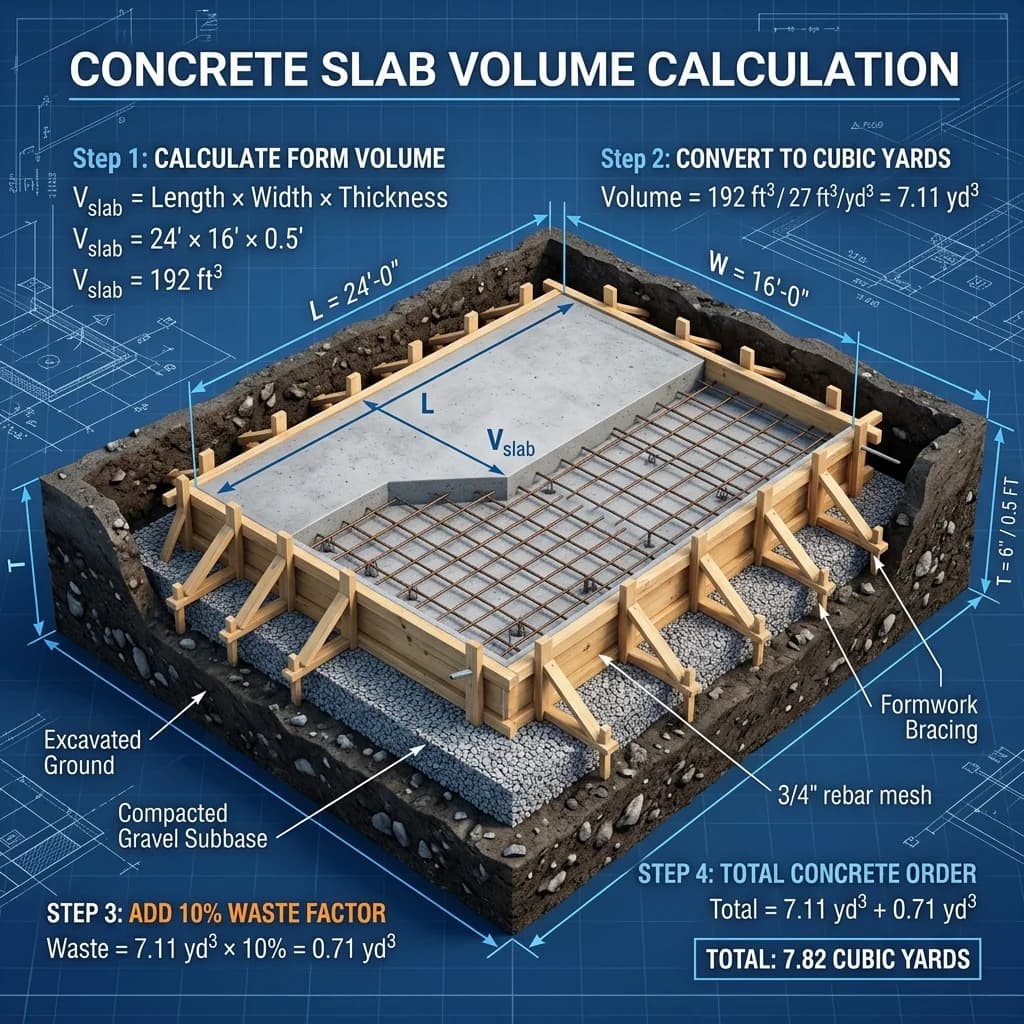
If you order exactly the mathematical amount required for your project, you will almost certainly run short. The industry standard is to add a 10% waste factor to most material orders. For complex projects like intricate tile layouts or custom framing, that number should increase to 15% or even 20%. Our Lumber Calculator and other tools allow you to easily factor in this essential buffer.
4. Estimating Volume Without Considering Depth
Many beginners remember to multiply length by width, but they forget the third dimension: depth. This is especially common when pouring concrete slabs or ordering gravel for a driveway.
A 10x10 patio sounds like 100 square feet, but concrete is a three-dimensional volume. A 4-inch deep slab requires significantly less material than a 6-inch deep slab. Always ensure you are calculating cubic volume (Length × Width × Depth) when dealing with bulk materials. Use a Concrete Slab Calculator to accurately determine the cubic yards needed.
5. Relying on the "Rule of Thumb" Over Exact Math
Experienced builders often use rules of thumb to quickly estimate materials on the fly. While helpful for a rough guess, these mental shortcuts should never be used for the final order.
Assuming every room requires "about five gallons of paint" or every staircase needs "three stringers" ignores the unique specifications of your project. Precision is key. Take the time to measure exact dimensions and run them through our comprehensive construction calculators to get a mathematically sound estimate.
The five-minute check that catches all five
Every mistake above survives because nobody checks the estimate against reality before the order goes in. Three quick tests catch almost all of them.
Sanity-check the magnitude first. Before you look at the decimals, ask whether the answer is roughly the right size. A 20 by 20 patio at 4 inches is about 5 cubic yards, which is most of one truck. If your figure says 60 cubic yards, you have a unit error, not a rounding error. The classic version is entering slab depth as 4 when the field wants feet, not inches — that is a factor of twelve, and it turns a modest pour into an absurd one on paper. Errors of that size are obvious the moment you ask what the number means in trucks, pallets, or bundles.
Then check your units against how it is sold. Your measurements and the supplier's price list are rarely in the same unit, and the conversion is where the money leaks:
| Conversion | Value | Where it bites |
|---|---|---|
| Cubic yard to cubic feet | 27 | Concrete, gravel, topsoil |
| Inches to feet | divide by 12 | Slab and base depths |
| Square feet to square yards | divide by 9 | Carpet, some flooring |
| Board foot | 144 cubic inches | Hardwood and rough lumber pricing |
| Ton | 2,000 lb | Aggregate sold by weight, not volume |
Finally, convert to purchase units before you commit. Whole boxes, whole bundles, whole pallets, whole trucks. This is the step that turns a tidy percentage into a real number, and it frequently reveals that your waste factor was decided by the packaging all along — nine boxes of tile is nine boxes whether your maths said 8.1 or 8.8.
Write the three results down next to the estimate. If a delivery later comes up short, that note tells you in seconds whether the error was in the measurement, the conversion, or the rounding — which is usually the difference between a quick top-up order and re-measuring the whole job.
Frequently Asked Questions
1. What is the standard waste factor for construction estimation?
The standard waste factor is generally 10% for most common materials like concrete, drywall, and standard framing lumber. For materials requiring complex cuts, like tile or hardwood flooring, experts recommend a 15% to 20% waste factor.
2. Why is converting units so important in construction?
Suppliers sell materials in specific units (e.g., cubic yards for concrete, linear feet for trim). If you measure in inches and fail to convert correctly, you will end up ordering drastically incorrect amounts, leading to budget blowouts or project delays.
3. Can a construction calculator replace professional blueprints?
No. While construction calculators are incredibly powerful tools for estimating material quantities, they rely entirely on the accuracy of your inputs. You still need accurate blueprints or careful field measurements to get the correct starting numbers.
About the Author

Zain Sheikh — With over 10 years of hands‑on experience in residential and commercial construction, Zain ensures that every calculator on our platform accounts for real‑world variables, waste factors, and site conditions. Contact our team for technical inquiries.