
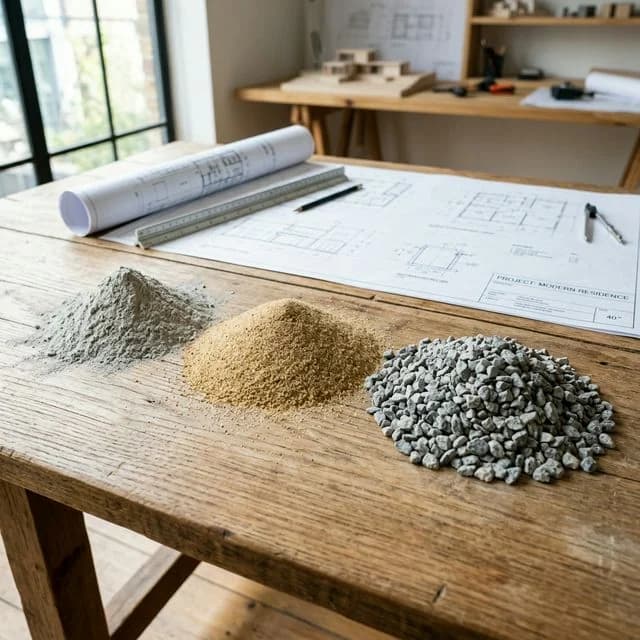
How to Read a Concrete Mix Ratio (1:2:3 Explained)
Master the standard 1:2:3 concrete mix ratio for your next DIY or professional project. Learn exactly what these numbers mean, how to measure materials, and when to adjust your mix.
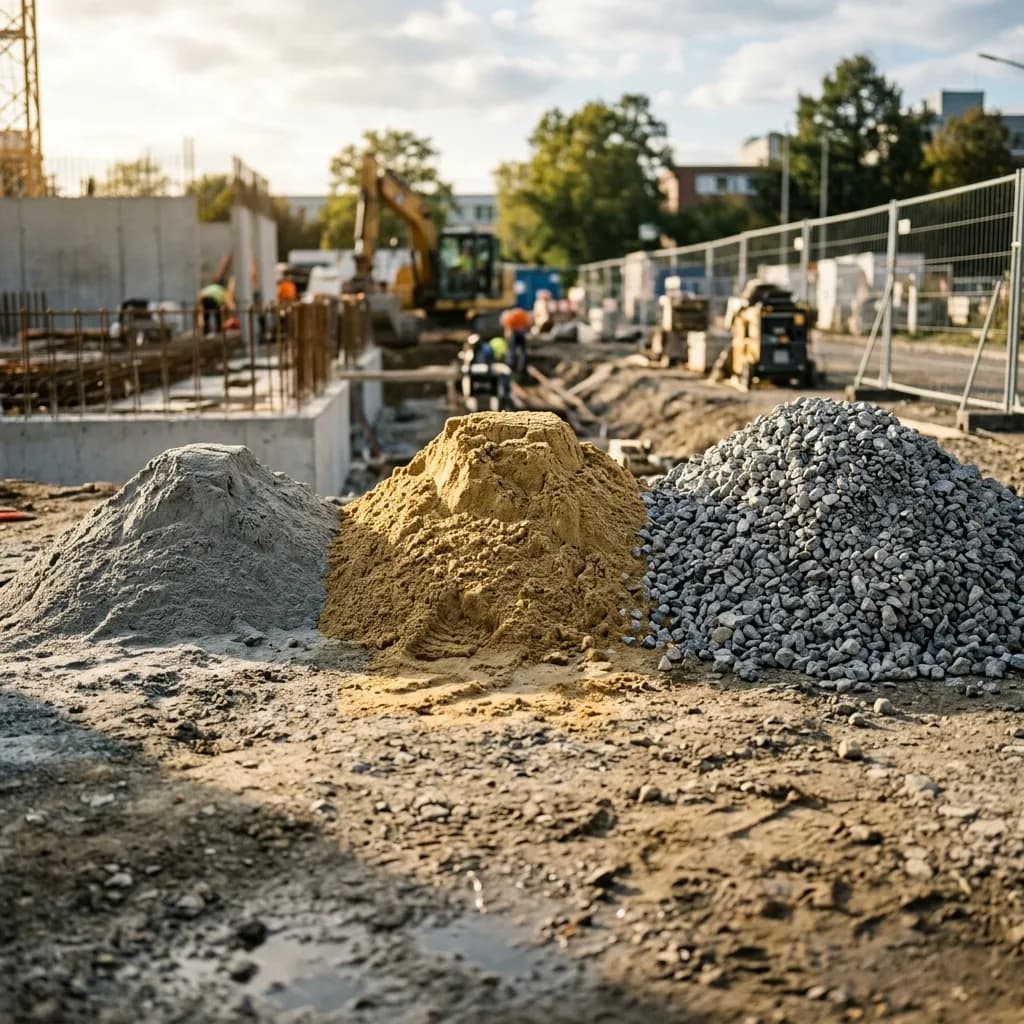
Whether you are pouring a small patio, setting fence posts, or building a heavy-duty structural foundation, the success of your project rests entirely on one fundamental concept: the concrete mix ratio. Among the various formulas used in construction, none is more famous or universally applied than the classic 1:2:3 ratio.
But what exactly do these numbers mean? For beginners and even seasoned DIYers, staring at bags of Portland cement, mounds of sand, and piles of gravel can be intimidating. If you get the concrete mix ratio wrong, your slab could crack under minimal pressure, flake apart after a single winter, or refuse to set properly at all.
In this comprehensive guide, we are going to demystify the 1:2:3 concrete mix ratio. We will explore the science behind the ingredients, teach you how to measure "parts" accurately on a chaotic job site, explain when you should alter this standard formula, and show you how to calculate your total material needs using our Concrete Mix Calculator.
Unpacking the 1:2:3 Concrete Mix Ratio
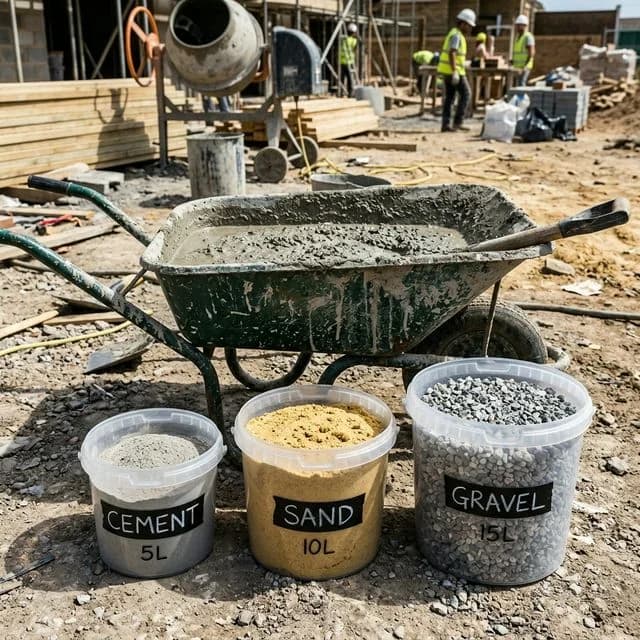
At its core, concrete is a composite material made of three dry ingredients and one wet ingredient. The numbers in a concrete mix ratio always refer to the dry ingredients by volume, and they are always listed in the same specific order: Cement : Sand : Gravel.
Therefore, the 1:2:3 concrete mix ratio dictates that your batch should contain:
- 1 Part Portland Cement: The active binder that glues everything together.
- 2 Parts Sand (Fine Aggregate): The filler that occupies the microscopic voids between the larger rocks.
- 3 Parts Gravel or Crushed Stone (Coarse Aggregate): The structural backbone that provides the actual compressive strength and bulk.
By combining these ingredients precisely, you create a dense, highly interlocked matrix. The cement paste coats every single grain of sand, and the sand-cement mortar fills the gaps between every single piece of gravel. When it cures, this 1:2:3 matrix yields a standard concrete mix that typically tests at around 3,000 to 3,500 PSI (pounds per square inch) of compressive strength—perfect for driveways, sidewalks, footings, and general-purpose construction.
The Unwritten Element: The Water-to-Cement Ratio
You might have noticed a glaring omission in the 1:2:3 ratio: where is the water?
While the dry ingredients dictate the volume and structural skeleton of the concrete, water is the chemical catalyst that initiates hydration. Hydration is the exothermic chemical reaction where cement molecules bond with water molecules to form hardened crystals.
In professional engineering, water is measured against the cement alone, known as the Water-Cement Ratio (w/c ratio). For a standard 1:2:3 mix, the ideal w/c ratio is approximately 0.45 to 0.50 by weight. This means you should add about 0.5 parts of water for every 1 part of cement.
The Golden Rule of Concrete Water
Adding more water makes concrete easier to pour, but every drop of extra water physically pushes the cement and aggregate particles further apart. As the excess water eventually evaporates, it leaves behind microscopic voids. More water = significantly weaker concrete and higher shrinkage cracking. Aim for a stiff, "peanut butter" consistency, not a soup.
Abrams' Law of Concrete Strength
Where S is the compressive strength, A and B are empirical constants, and x is the Water-Cement ratio.
Takeaway: Strength is inversely proportional to the volume of water. Keep the water ratio as low as workable!
How to Accurately Measure "Parts"
The beauty of a concrete mix ratio is that "parts" are relative. A part can be a shovel, a bucket, a wheelbarrow, or a massive front-end loader scoop. The critical factor is consistency of volume.
- The Shovel Method (For Small Patches): You add 1 shovel of cement, 2 shovels of sand, and 3 shovels of gravel. While quick, this method is prone to error because gravel naturally heaps higher on a shovel than fine powder. Use caution and try to keep sweeps level.
- The Bucket Method (Highly Recommended for DIY): Use a standard 5-gallon bucket. Fill 1 bucket with cement, 2 buckets with sand, and 3 buckets with gravel. This guarantees mathematical precision and ensures every batch you feed into your mixer is identical.
When you are calculating large pours, doing the math by hand can get complicated because dry ingredients "shrink" when mixed. The sand and cement fill the air gaps in the gravel, meaning 1 cubic yard of dry materials does not equal 1 cubic yard of wet concrete. To avoid these complex yield calculations, always use a dedicated Concrete Slab Calculator to jump straight from slab dimensions to required bag/tonnage counts.
Mixing the Concrete: Best Practices
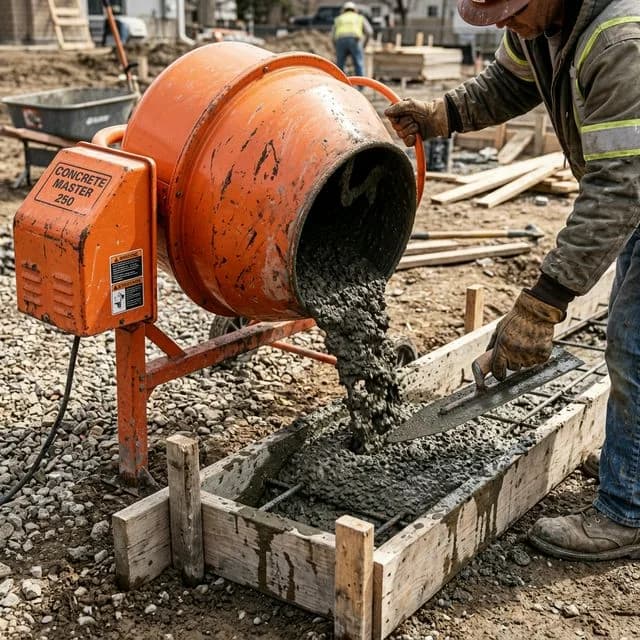
Knowing the right concrete mix ratio is only half the battle; the mixing procedure ensures those ingredients bond correctly. Whether mixing in a wheelbarrow with a hoe or using a portable barrel mixer, follow this sequence:
- Add the Gravel First: Add your 3 parts of gravel and half of your allocated water. The coarse tumbling action of the wet rocks will scour the inside of the mixer, preventing cement from sticking to the walls.
- Add the Cement: Pour in your 1 part of Portland cement. Let it mix with the wet gravel to create a slurry.
- Add the Sand: Gradually add your 2 parts of sand. The mix will begin to stiffen considerably.
- Final Water Adjustment: Slowly sprinkle in the remaining water only as needed until the concrete reaches a workable consistency. It should hold its shape when squeezed but flow smoothly off a trowel.
When to Deviate: Other Common Ratios
While 1:2:3 is the undisputed king of general-purpose concrete, different applications require different strengths and flexibilities. Understanding how adjusting the concrete mix ratio alters the final product is a hallmark of an advanced builder.
- 1:1.5:3 (High-Strength Mix): By reducing the sand proportion, you increase the relative concentration of cement paste. This yields a denser, less permeable concrete often surpassing 4,000 PSI. Use this ratio for heavily trafficked driveways, structural columns, or suspended slabs.
- 1:2:4 (The Economical / Foundation Mix): This ratio increases the coarse aggregate. It relies on the raw crushing strength of the gravel while saving money on cement. It typically yields around 2,500 to 3,000 PSI and is highly favored for massive pours like domestic trench footings or thick retaining walls where sheer mass is more important than finished surface aesthetics.
- 1:3:0 (Mortar Mix): Notice the zero? By removing the coarse gravel entirely and increasing the sand, you create mortar. Mortar is not designed to bear immense standalone compressive loads; it is an adhesive meant to bind bricks or concrete blocks together. You should never try to pour a slab using a mortar mix ratio, as it will lack structural integrity and shrink enormously. (Check out the Brick & Mortar Calculator for masonry projects).
Calculating Your Material Orders
Understanding the 1:2:3 concrete mix ratio gives you the foundational knowledge to mix perfect batches on-site. However, buying the exact amount of raw materials beforehand requires translating volume into weight (bags or tons).
Because cement density differs drastically from gravel density, 1 part of volume does not equal 1 part of weight. This is where manual math usually fails the DIYer resulting in either a disastrous "short load" mid-pour or an expensive pile of leftover gravel sitting in the driveway.
To ensure you order precisely what you need, use our professional-grade estimating tools. Just input the dimensions of your project, select your preferred concrete mix ratio, and let the Foundation Estimator do the heavy lifting.
Happy pouring! With the 1:2:3 ratio in your arsenal, you're ready to lay a foundation that will stand the test of time.
References
Standards and data referenced in this guide. Building codes are adopted locally, so verify requirements with your jurisdiction before you build.
- Concrete design and construction standards — American Concrete Institute
- Cement and concrete mix design references — Portland Cement Association
- ASTM C33 — Standard Specification for Concrete Aggregates — ASTM International
About the Author

Zain Sheikh — With over 10 years of hands‑on experience in residential and commercial construction, Zain ensures that every calculator on our platform accounts for real‑world variables, waste factors, and site conditions. Contact our team for technical inquiries.
Related Calculators
Concrete Mix Calculator
Calculate bags of concrete mix, cement, sand, and gravel.
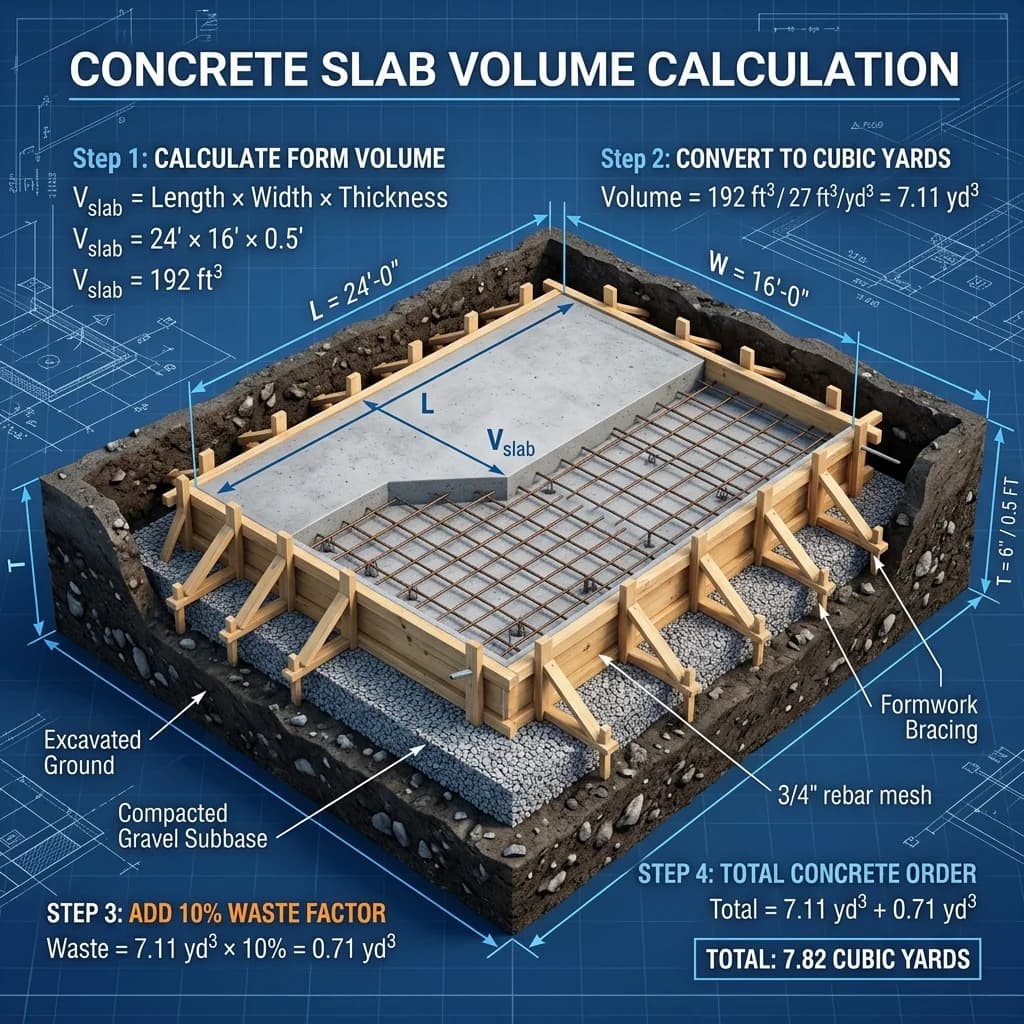
Concrete Slab Calculator
Volume and material calculations for flat slabs.
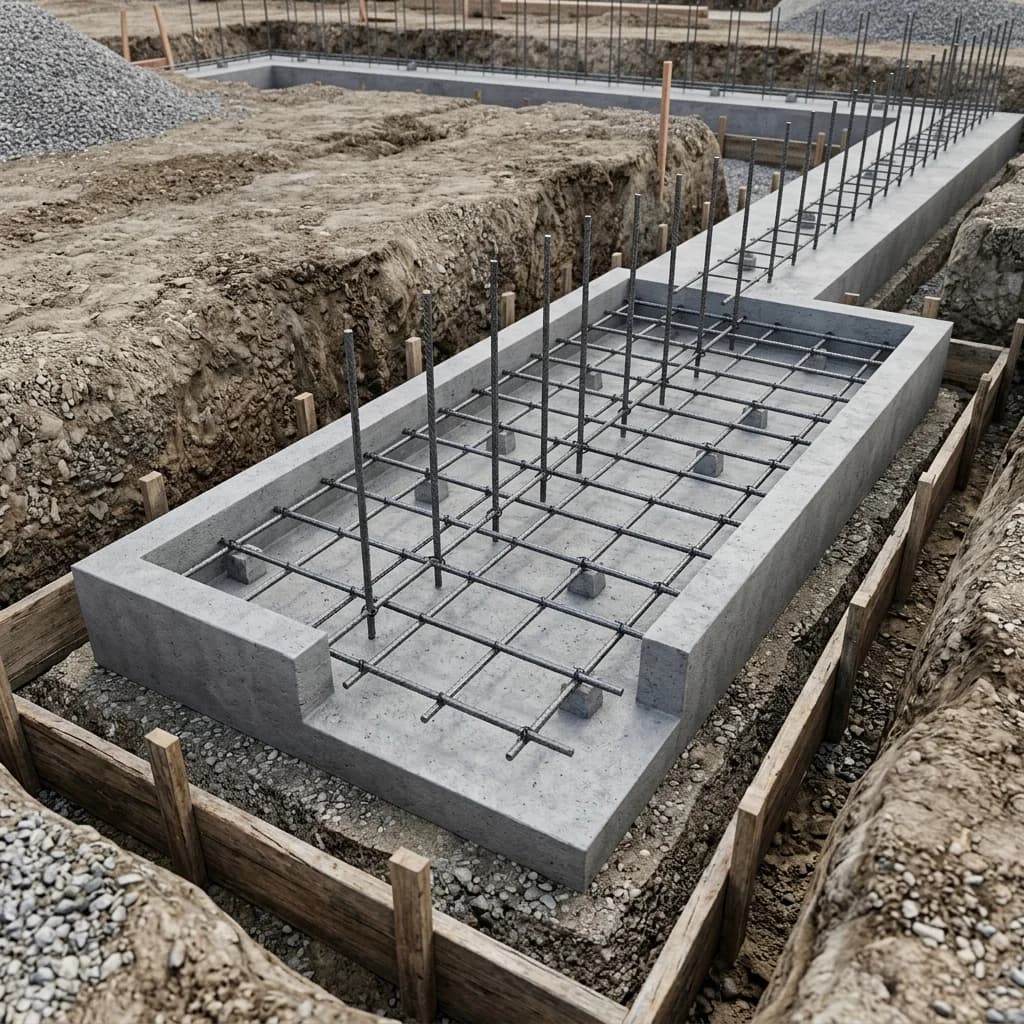
Foundation Calculator
Estimate concrete required for footings and foundations.