
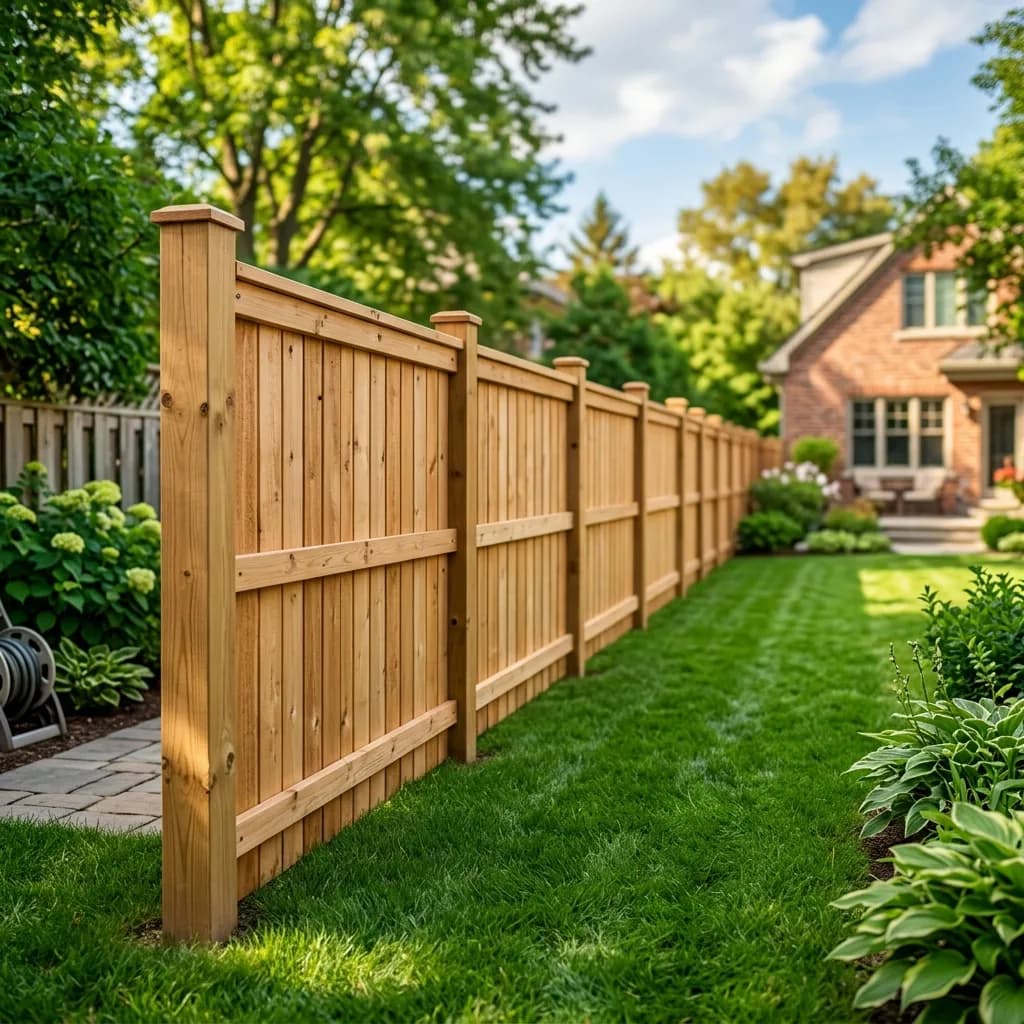
How to Calculate Fence Posts and Panels
Learn how to accurately estimate the materials for your next fencing project, from measuring your yard to using a professional fence material estimator tool.
Building a new fence is one of the most rewarding home improvement projects you can tackle. Not only does it provide privacy and security, but it also instantly elevates your property's curb appeal. However, before you dig your first post hole, you need a rock-solid plan. The biggest hurdle for most homeowners? Figuring out exactly how much lumber and concrete to order.
Ordering too few materials means halting your project midway and paying extra delivery fees. Ordering too many wastes your hard-earned budget. In this guide, we'll walk you through the professional method for calculating fence posts and panels, and show you why using a fence material estimator is the smartest way to plan your build.
Step 1: Planning and Layout
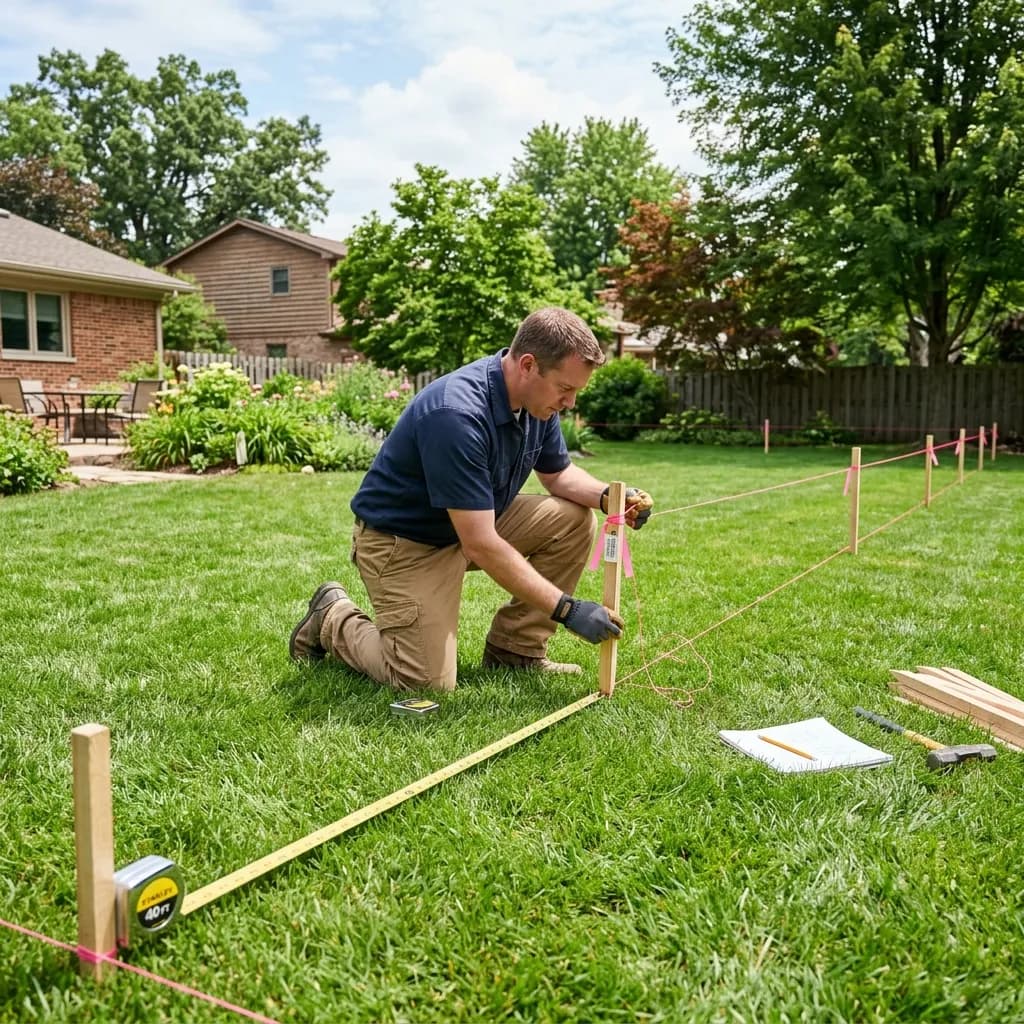
Every successful fencing project begins with a tape measure, wooden stakes, and a ball of string. Before you calculate anything, you must physically mark out the path of your new fence. Start by locating your property lines—never guess where they are! If necessary, hire a surveyor to avoid costly disputes with neighbors.
Drive a stake into the ground at every corner and at every point where the fence will change direction. Run a tight string line between these stakes. This string represents the exact path your fence will follow. Be sure to account for any gates you plan to install, noting their exact widths. A standard pedestrian gate is typically 3 to 4 feet wide, while a double-driveway gate might be 10 feet wide.
Step 2: Measuring the Fence Line
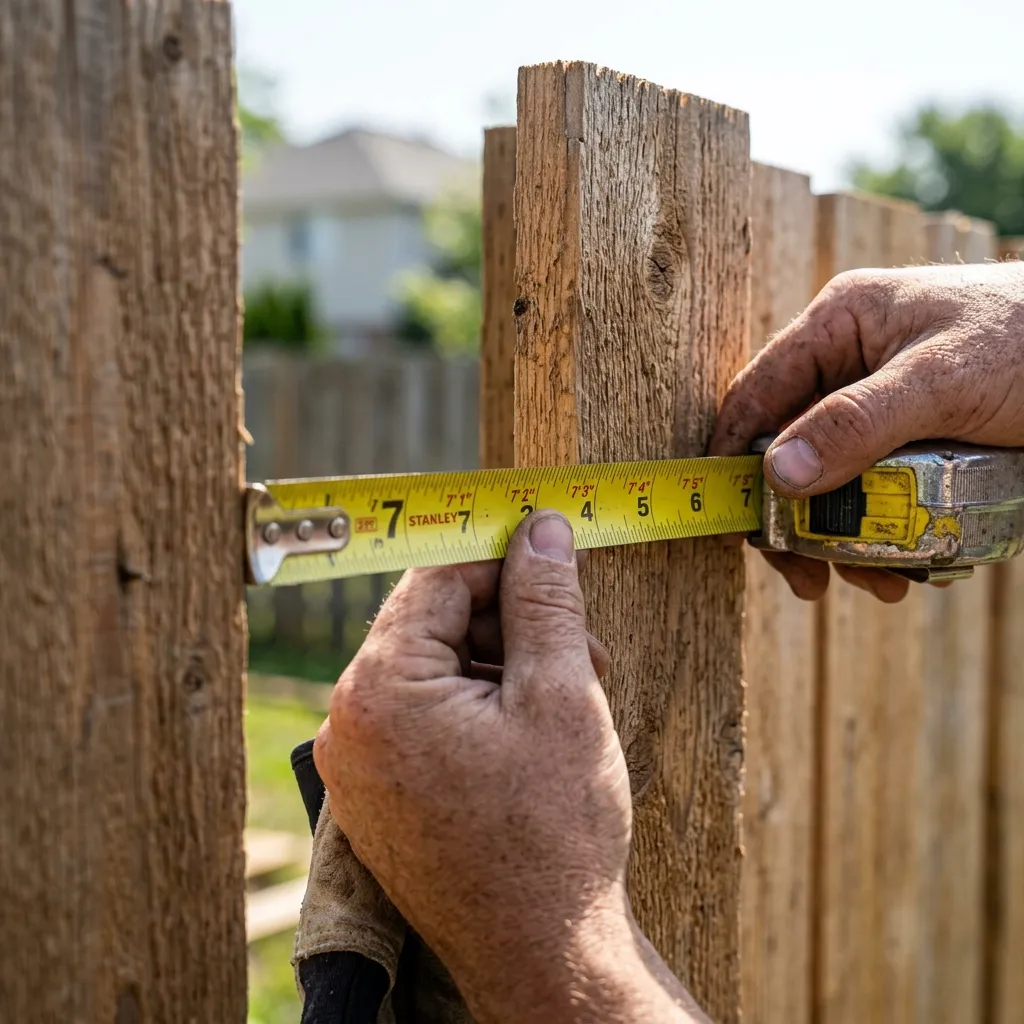
With your string line set, it's time to measure the total linear footage of your project. Grab a long tape measure (at least a 100-foot reel is recommended) and measure the distance between each corner stake. Write these individual numbers down.
Add all of these individual measurements together to get your Total Linear Footage. Once you have this total, you must subtract the width of any gates you are installing.
Total Fence Run
Example: If your perimeter is 150 feet, and you have one 4-foot gate, your total run is 146 feet.
Step 3: Calculating Panels and Posts
Now that you know your total run, you can calculate the number of fence panels and posts you need. Most pre-assembled wooden fence panels are sold in 8-foot lengths. If you are "stick building" (building the fence board-by-board on site), your support posts will still typically be spaced 8 feet apart on center.
To find the number of panels, divide your total run by the panel width (usually 8 feet). Unless the math works out perfectly, you will have a decimal. Always round up to the next whole number. You will need to cut the final panel to fit.
Calculating posts is slightly different. Because a fence needs a post at the very beginning and at the very end of every straight run, you will generally need one more post than you have panels per straight section. Gate posts require special consideration; they should be thicker (like 4x6 or 6x6) to handle the weight of the swinging gate.
Step 4: Setting the Posts (The Concrete Math)
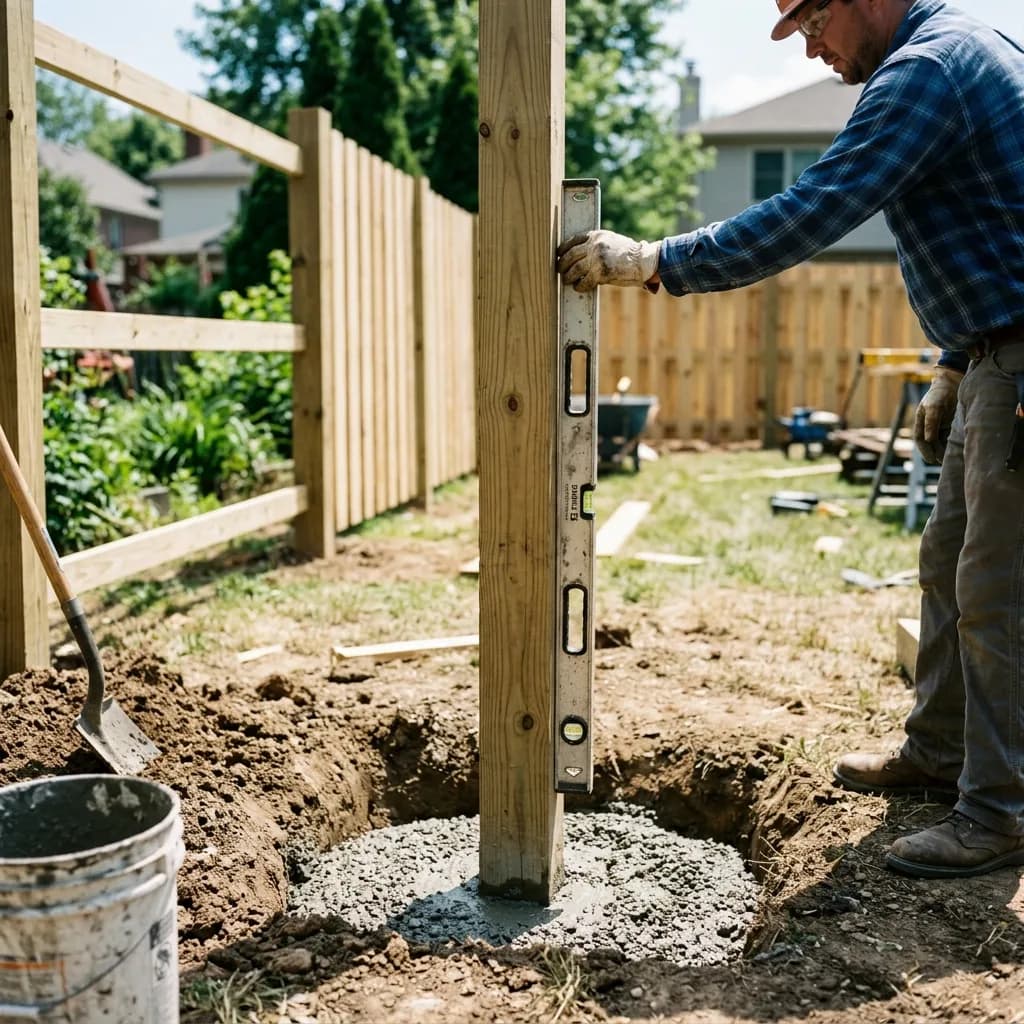
A fence is only as strong as its foundation. In most climates, a fence post needs to be buried at least one-third of its total length into the ground to provide adequate support. For a standard 6-foot privacy fence, this means you need an 8-foot post, buried 2 feet deep. Furthermore, building codes often require the post hole to be below the local frost line to prevent the fence from heaving during winter freezes.
The post holes need to be filled with concrete to anchor the wood. The general rule of thumb is that the diameter of the hole should be three times the diameter of the post. So, a standard 4x4 post requires a 12-inch diameter hole.
Calculating the exact number of concrete bags required for dozens of holes involves cylinder volume math. It's incredibly tedious to do by hand, which is why professionals rely on specialized calculators.
The Smart Way: Using a Fence Material Estimator
While it's important to understand the math behind the materials, doing it manually on a scrap of paper invites errors. A miscalculation in panel cuts, post spacing, or concrete volume can easily derail your weekend project.
Instead of crunching the numbers yourself, you should use our professional Fence Material Estimator. Simply input your total linear footage, your desired fence height, and your preferred post spacing. The tool will instantly provide a comprehensive shopping list, including:
- The exact number of pre-built panels or individual pickets required.
- The total number of line posts, corner posts, and heavy-duty gate posts.
- The number of horizontal support rails (stringers).
- The precise number of concrete bags needed for your specific hole depth and diameter.
By leveraging a dedicated fence material estimator, you guarantee that your order is perfectly tailored to your property, saving you time, money, and unnecessary stress. Start your project right, measure twice, and let the calculator handle the rest!
References
Standards and data referenced in this guide. Building codes are adopted locally, so verify requirements with your jurisdiction before you build.
- IRC 2021, Chapter 4 — Foundations (footing sizing, §R403) — International Code Council
- Span tables and the National Design Specification for Wood Construction — American Wood Council
About the Author

Zain Sheikh — With over 10 years of hands‑on experience in residential and commercial construction, Zain ensures that every calculator on our platform accounts for real‑world variables, waste factors, and site conditions. Contact our team for technical inquiries.